Every business depends on stable operations. However, many owners overlook one critical system until it fails. Heating, ventilation, and air conditioning (HVAC) keeps your facility running. Consequently, a strong HVAC strategy is a core part of any business continuity plan.
Why HVAC Systems Matter for Business Continuity
Business continuity means keeping essential functions running during disruptions. Therefore, every system that supports daily work deserves attention. HVAC sits near the top of that list.
A failed cooling system can shut down a server room within minutes. Similarly, a broken heating unit can force a warehouse to close. In addition, poor ventilation can make an office unsafe. As a result, even a short outage can trigger lost revenue and unhappy customers.
Protecting Critical Equipment and Data
Modern businesses rely on technology. Servers, networking gear, and point-of-sale terminals generate heat constantly. Moreover, overheating shortens equipment life and causes unexpected crashes.
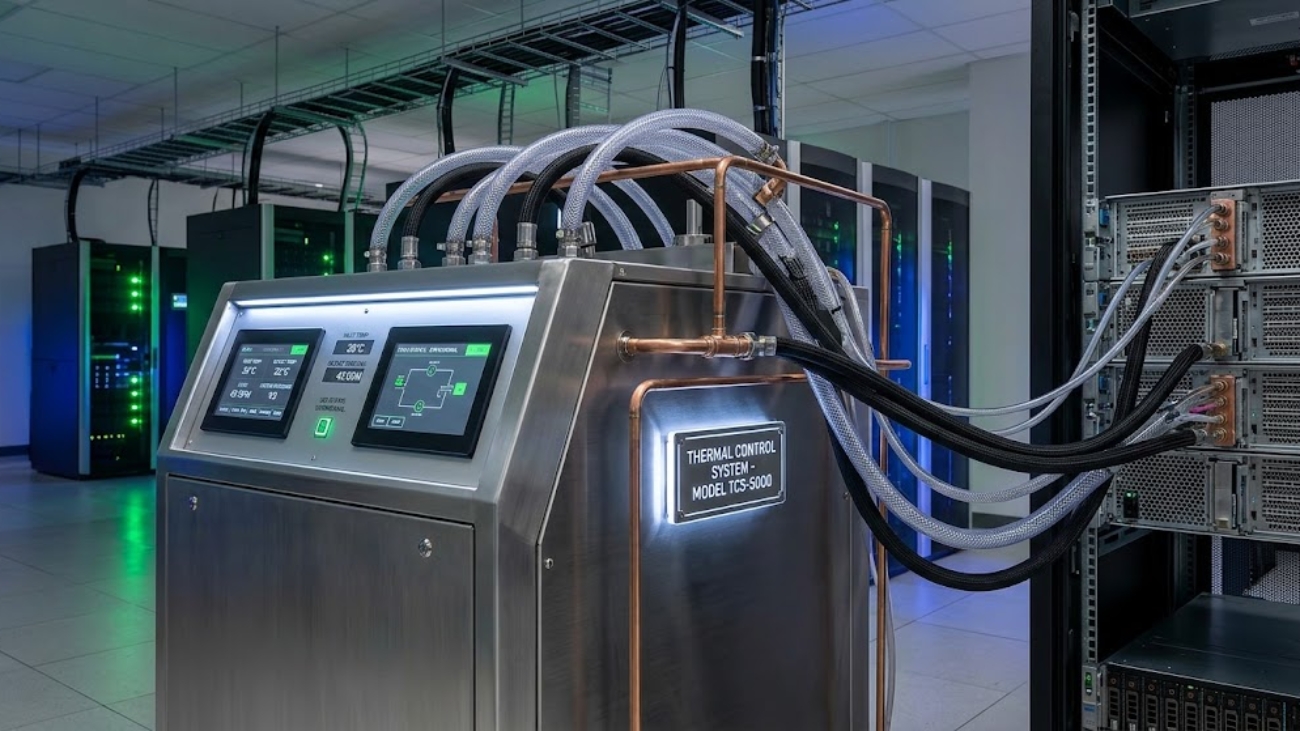
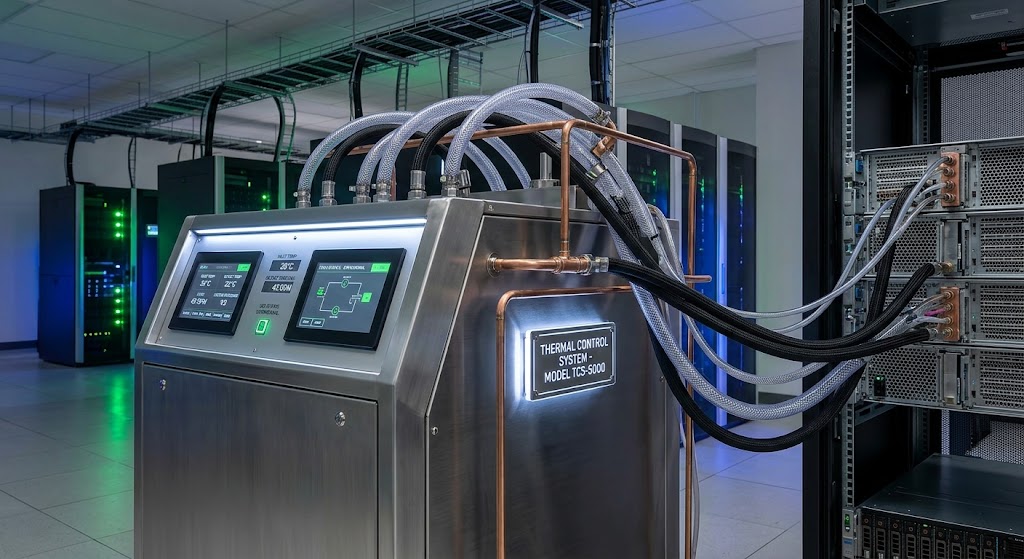
Precision cooling keeps temperatures within safe limits. Likewise, humidity control prevents static buildup and corrosion. Both factors protect expensive hardware and sensitive data.
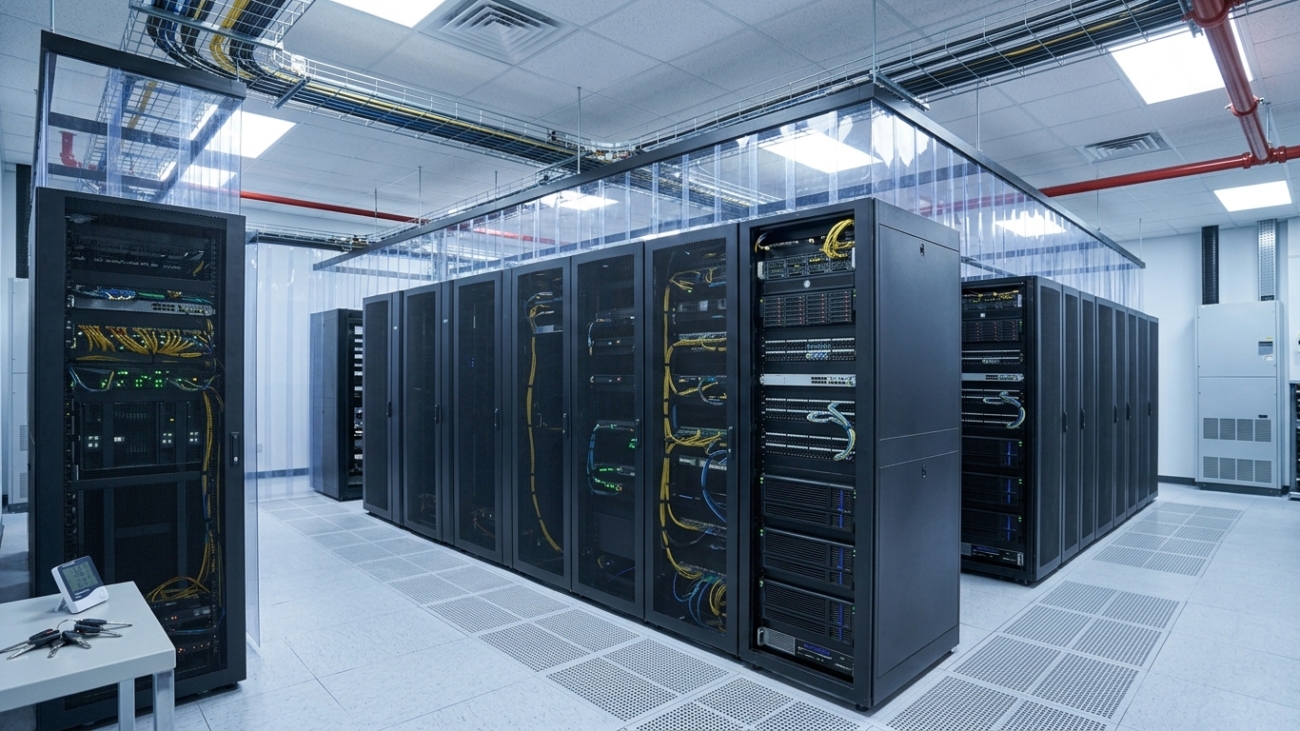
Consider a data center without reliable cooling. Within an hour, temperatures can climb to dangerous levels. Consequently, the company faces downtime, data loss, and costly repairs.
Safeguarding Employee Health and Productivity
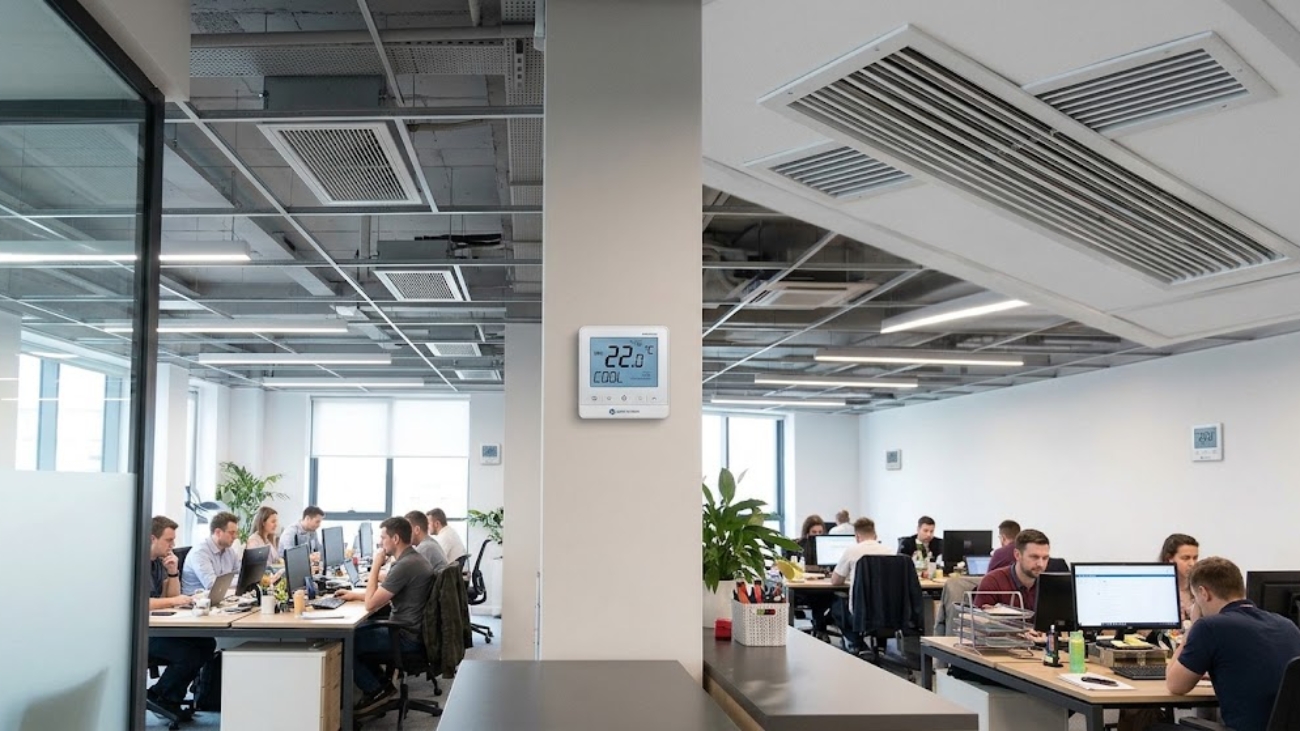
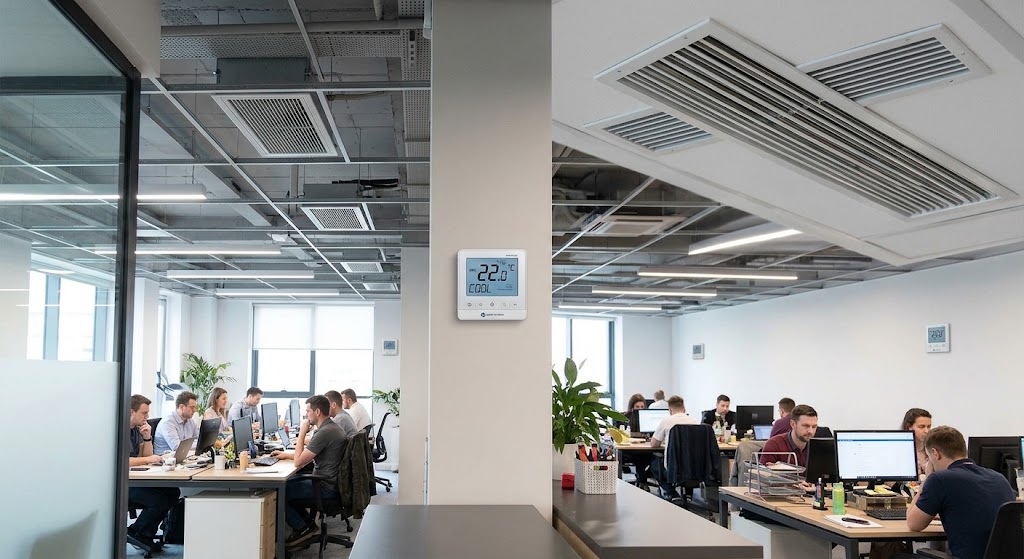
Comfortable employees perform better. In fact, research consistently links indoor temperature and air quality to focus and output. Hot, stuffy rooms drain energy. Meanwhile, cold spaces distract workers and lower morale.
Good ventilation also reduces airborne contaminants. For example, proper filtration limits dust, allergens, and viruses. Therefore, healthy air means fewer sick days and steadier staffing.
Workplace regulations also matter. Many regions require safe temperatures and adequate fresh air. Thus, a reliable HVAC system helps you stay compliant and avoid penalties.
Preventing Costly Downtime with Preventive Maintenance
Reactive repairs cost far more than planned service. Besides the repair bill, you lose productive hours. For that reason, preventive maintenance is the smartest investment.
A solid maintenance plan includes several steps:
- Replace air filters on a regular schedule.
- Inspect coils, belts, and refrigerant levels.
- Clean ducts and drainage lines.
- Test thermostats and control systems.
- Review energy usage for warning signs.
Technicians can spot small problems early. Furthermore, regular service extends equipment lifespan. As a result, you avoid sudden breakdowns during peak business periods.
Building Redundancy into Your HVAC Strategy
Even well-maintained systems can fail. Therefore, smart businesses build redundancy into their facilities. Redundancy means having backup capacity ready when the primary system stops.
Several options exist. For instance, you can install multiple smaller units instead of one large unit. If one fails, the others keep running. Additionally, portable cooling units offer quick emergency relief.
Backup power also deserves attention. A generator keeps HVAC running during grid outages. In regions with unstable electricity, this step is especially valuable. Otherwise, a power cut can quickly become a full shutdown.
Using Smart Controls and Remote Monitoring
Technology now makes HVAC management easier. Smart thermostats and building management systems track performance in real time. Moreover, they send instant alerts when something goes wrong.
Remote monitoring lets managers respond after hours. For example, an alert about rising server room temperature can prompt action before damage occurs. Consequently, small issues never become major disruptions.
Smart controls also cut energy waste. They adjust settings based on occupancy and weather. In turn, you lower utility bills while keeping spaces comfortable.
Planning for Emergencies and Extreme Weather
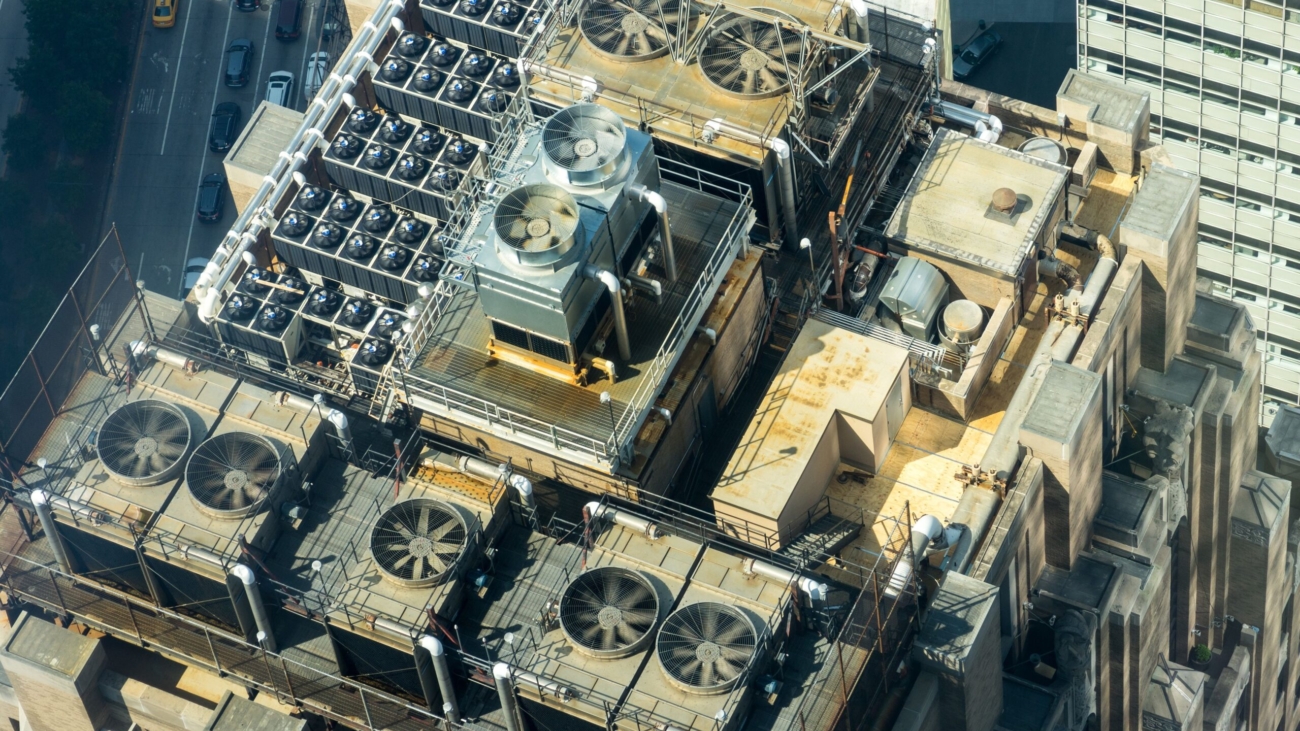
Severe weather tests every building system. Heat waves push cooling equipment to its limits. Likewise, cold snaps strain heating units. Storms and floods can damage outdoor components directly.
Your continuity plan should address these risks. First, identify which areas need climate control to operate. Next, document emergency contacts for HVAC service providers. Finally, train staff on basic response steps.
Regular drills also help. After all, a plan works only when people know how to use it. Thus, review and update procedures at least once a year.
Controlling Costs While Maintaining Reliability
Some owners fear that HVAC investment is too expensive. However, the math favors prevention. One day of downtime often costs more than a year of maintenance.
Energy-efficient equipment also pays for itself. Newer systems use less power and need fewer repairs. Furthermore, many regions offer incentives for efficiency upgrades. Therefore, upgrading aging equipment strengthens both your budget and your resilience.
Choosing the Right HVAC Partner
A qualified service provider makes a major difference. Look for certified technicians with commercial experience. In addition, choose a partner offering emergency response and service contracts.
Ask about response times and spare parts availability. Also, request references from similar businesses. A trusted partner becomes an extension of your continuity team.
Final Thoughts: Make HVAC Part of Your Continuity Plan
HVAC systems quietly support every part of your business. They protect equipment, safeguard employees, and keep operations steady. Yet many companies treat them as an afterthought.
Start with an assessment of your current system. Then schedule preventive maintenance, add redundancy, and adopt smart monitoring. Finally, include HVAC in your written continuity plan.
Businesses that take these steps stay open when others struggle. Ultimately, reliable climate control means reliable business.