IT Infrastructure Cooling Solutions

Keep Your IT Infrastructure Running Smoothly with Cooling Solutions

IT Infrastructure Cooling Solutions

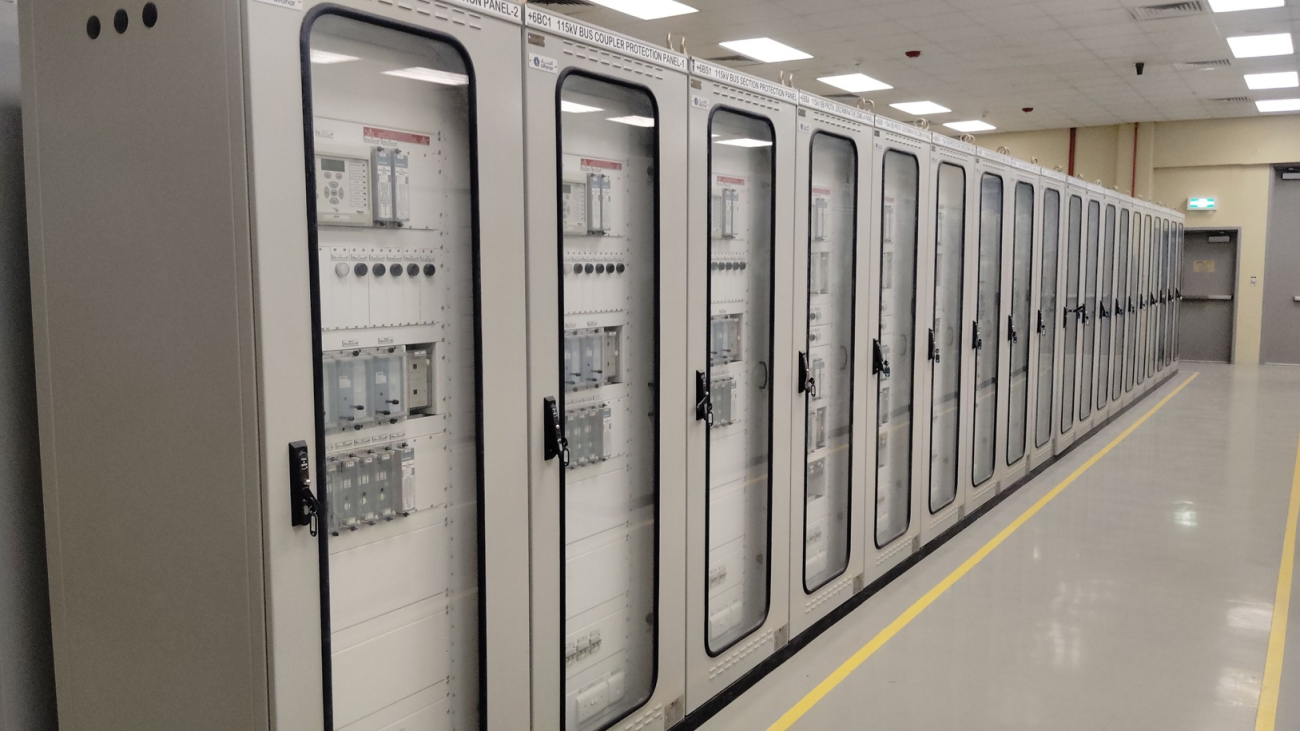
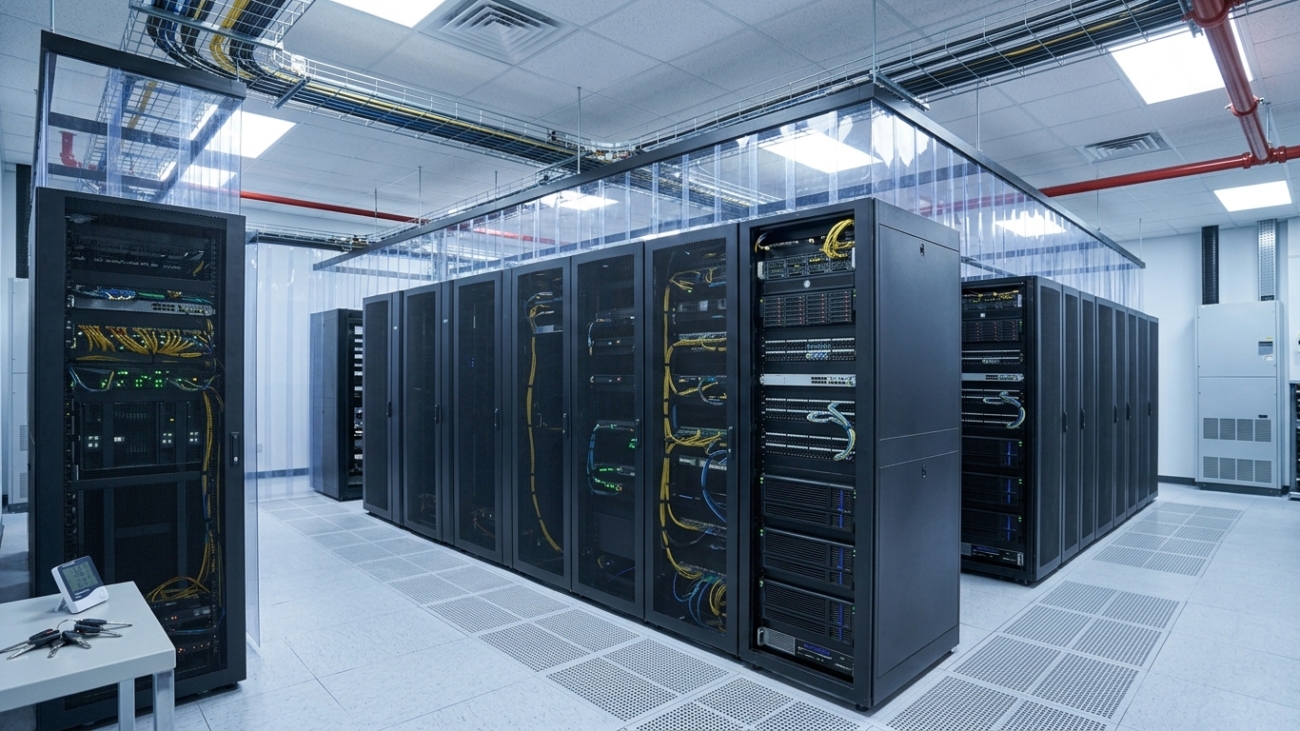
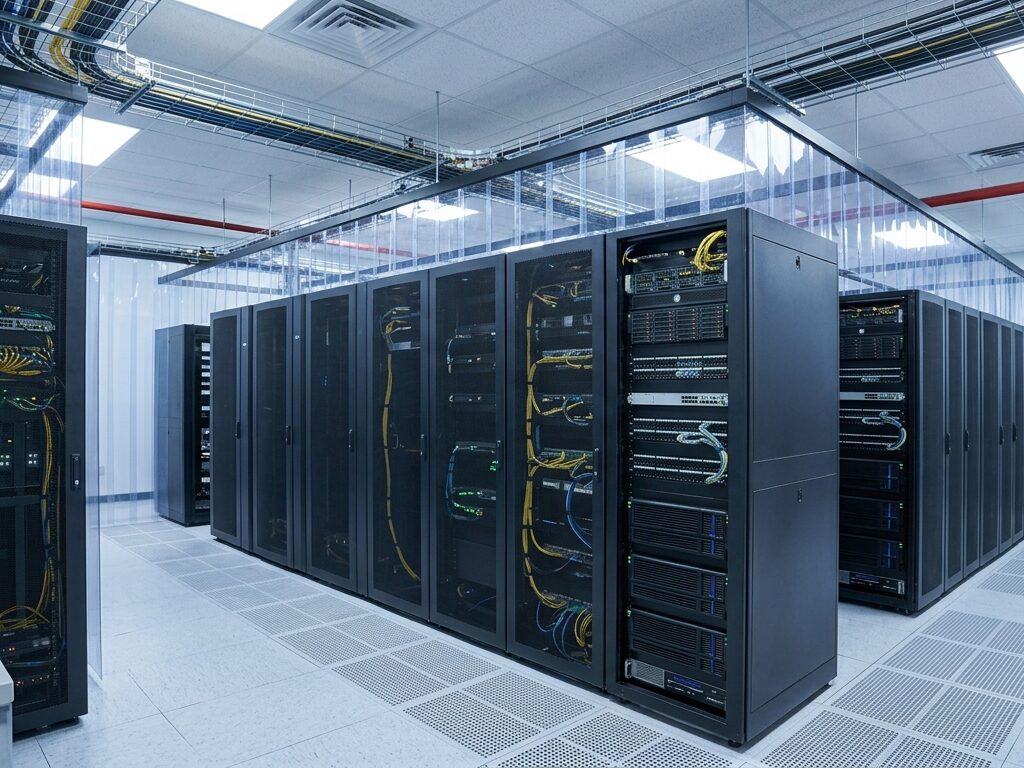
Heat is the silent enemy of every server room. Left unchecked, it shortens equipment life and disrupts operations. Therefore, smart businesses invest in reliable cooling solutions early. This guide explains why cooling matters and how to choose the right setup.

Why IT Cooling Solutions Matter for Business Continuity

Servers, switches, and storage devices generate constant heat. Moreover, high temperatures force components to work harder. As a result, hardware fails sooner than expected.

Downtime is costly. Even a short outage can halt sales, delay payroll, and frustrate customers. Consequently, stable temperatures protect both your data and your revenue.

Good cooling also supports consistent performance. Cool processors run faster and throttle less. In addition, stable conditions reduce unexpected reboots and data corruption.

Common Risks of Poor Data Center Cooling

Overheating rarely announces itself. Instead, small problems build up quietly. Here are the most common risks:

  • Hardware failure: Excess heat degrades chips, drives, and power supplies.
  • Unplanned downtime: Thermal shutdowns interrupt critical services.
  • Higher energy bills: Struggling systems consume more power.
  • Shorter equipment lifespan: Components age faster in hot rooms.
  • Data loss: Failing drives may corrupt or erase stored files.

Furthermore, humidity matters just as much as temperature. Too much moisture causes corrosion. Too little invites static discharge. Hence, a balanced environment is essential.

Types of Server Room Cooling Systems

Every facility has different needs. Therefore, you should match the system to your space and budget.

Precision Air Conditioning

Precision units are built for IT environments. They control temperature and humidity tightly. Additionally, they run around the clock without strain. Comfort air conditioners cannot match this reliability.

In-Row Cooling

In-row units sit between server racks. They deliver cool air close to the heat source. As a result, they improve efficiency and reduce wasted airflow. This option suits dense, high-load racks.

Hot and Cold Aisle Containment

Containment separates hot exhaust from cool intake air. Consequently, cooling units work less and cost less. This method is affordable and effective. Moreover, it works well with existing systems.

Liquid Cooling

Liquid cooling removes heat faster than air. Thus, it suits high-performance computing and heavy workloads. Although installation costs more, long-term savings can justify it.

How to Choose the Right Cooling Solution

Start with a heat load assessment. Calculate the total power your equipment draws. Then, add room for future growth. Otherwise, you may outgrow your system within months.

Next, consider your room layout. Airflow paths, ceiling height, and rack placement all affect results. Similarly, check your power supply and backup options.

Finally, think about redundancy. A single cooling unit is a single point of failure. Therefore, plan for backup capacity. This keeps operations steady during repairs or faults.

Best Practices for Efficient IT Cooling

Good habits extend the value of any system. Follow these simple steps:

  1. Monitor continuously: Install sensors for temperature and humidity.
  2. Seal gaps: Block air leaks around cables and racks.
  3. Use blanking panels: Fill empty rack spaces to guide airflow.
  4. Clean regularly: Dust blocks vents and traps heat.
  5. Schedule maintenance: Inspect filters, coils, and fans often.

In addition, keep temperatures within recommended ranges. Most guidelines suggest 18°C to 27°C for server rooms. However, always check your manufacturer’s specifications.

Energy Efficiency and Cost Savings

Cooling can consume nearly half of a data center’s energy. Fortunately, efficient design cuts this sharply. For instance, containment and variable-speed fans lower power use.

Moreover, free cooling uses outside air when conditions allow. This approach reduces reliance on mechanical systems. Over time, the savings add up.

Efficient cooling also supports sustainability goals. Lower energy use means a smaller carbon footprint. Hence, you protect both your budget and the environment.

Cooling Solutions for Small Businesses and Large Enterprises

Small offices often use a single server closet. In this case, a compact precision unit works well. It offers protection without heavy investment.

Large enterprises face greater complexity. They need scalable, redundant systems with remote monitoring. Likewise, they benefit from professional design and regular audits.

Regardless of size, every business can improve its cooling. Even small upgrades deliver noticeable results.

Partner with Experts for Reliable Performance

Professional installation matters. Experts assess your needs and design a tailored system. Furthermore, they provide ongoing maintenance and rapid support.

Choose a provider with proven experience. Ask about response times, warranties, and monitoring options. Also, request references from similar projects.

Conclusion: Protect Your Technology Investment

Reliable cooling is not optional. It safeguards your hardware, data, and reputation. Moreover, it reduces costs and prevents painful outages.

Assess your current setup today. Identify weak spots and plan upgrades. Then, partner with specialists who can deliver lasting results. With the right cooling solutions, your IT infrastructure will run smoothly for years.
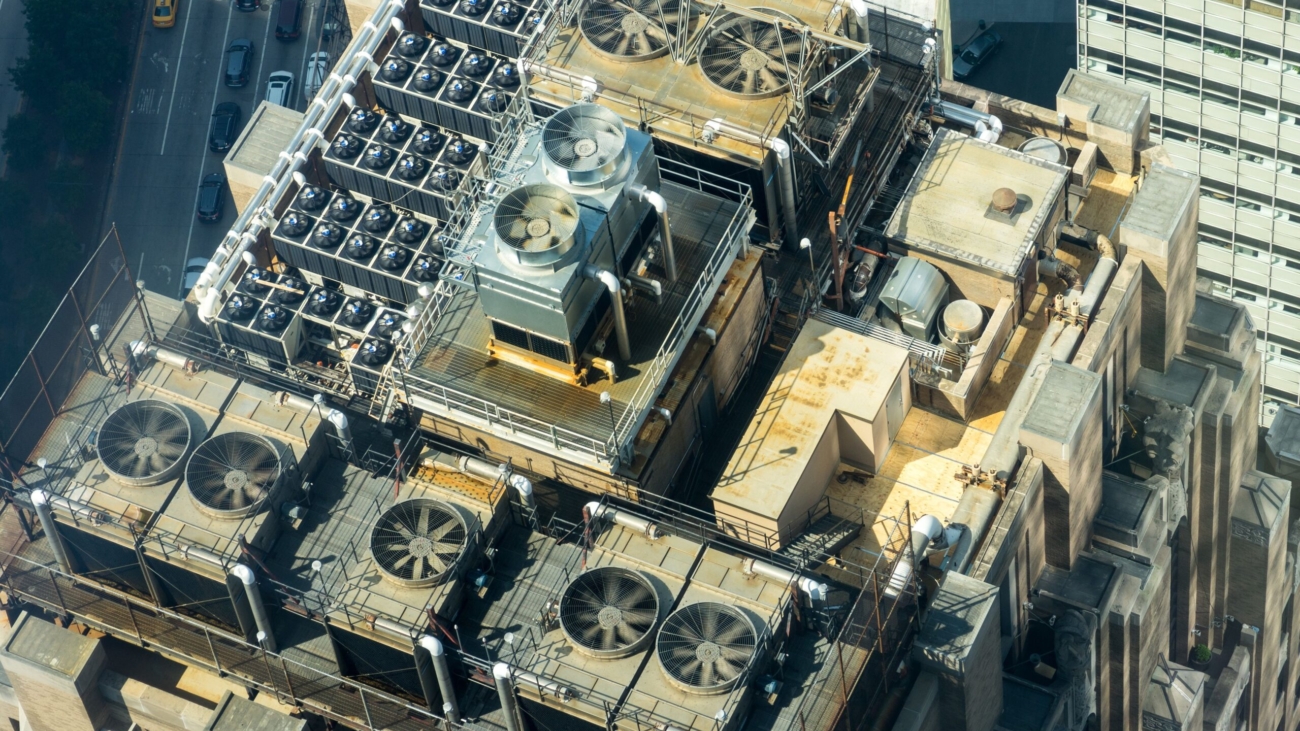
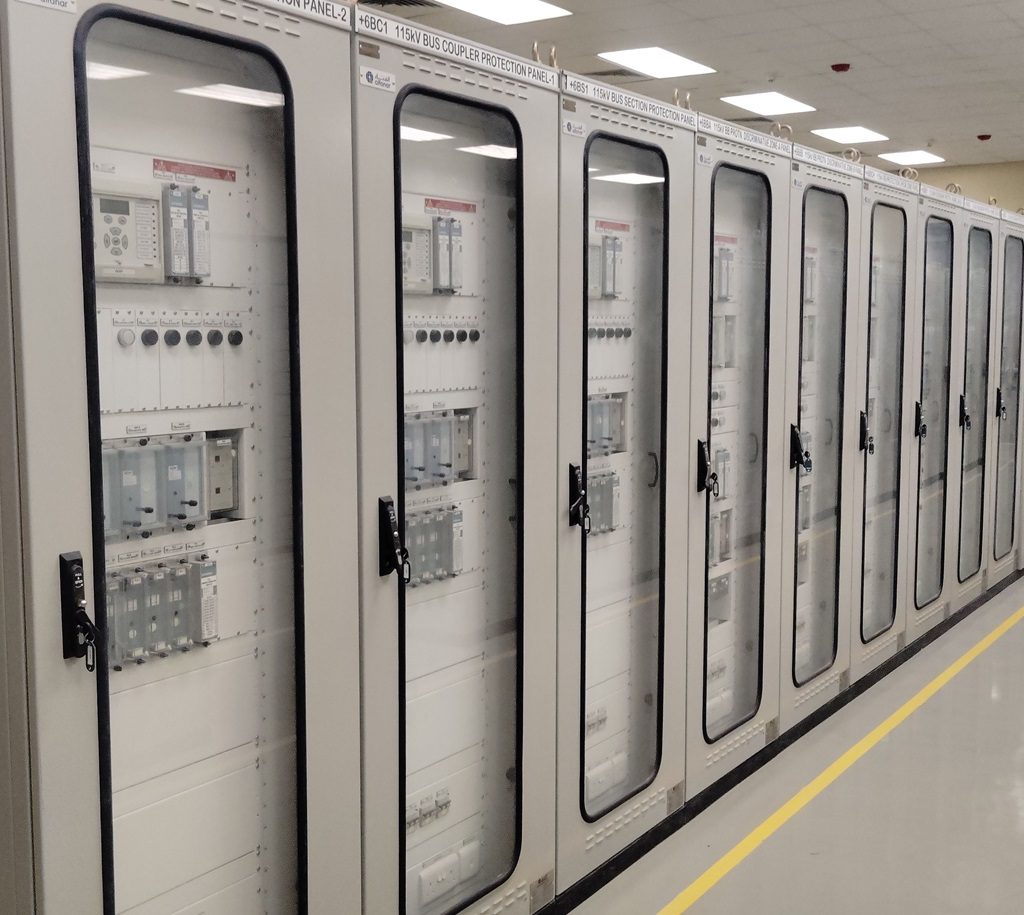
Is Your Rooftop Unit Trying to Tell You Something?

Is Your Rooftop Unit Trying to Tell You Something?

Thermal and Technology Control Systems

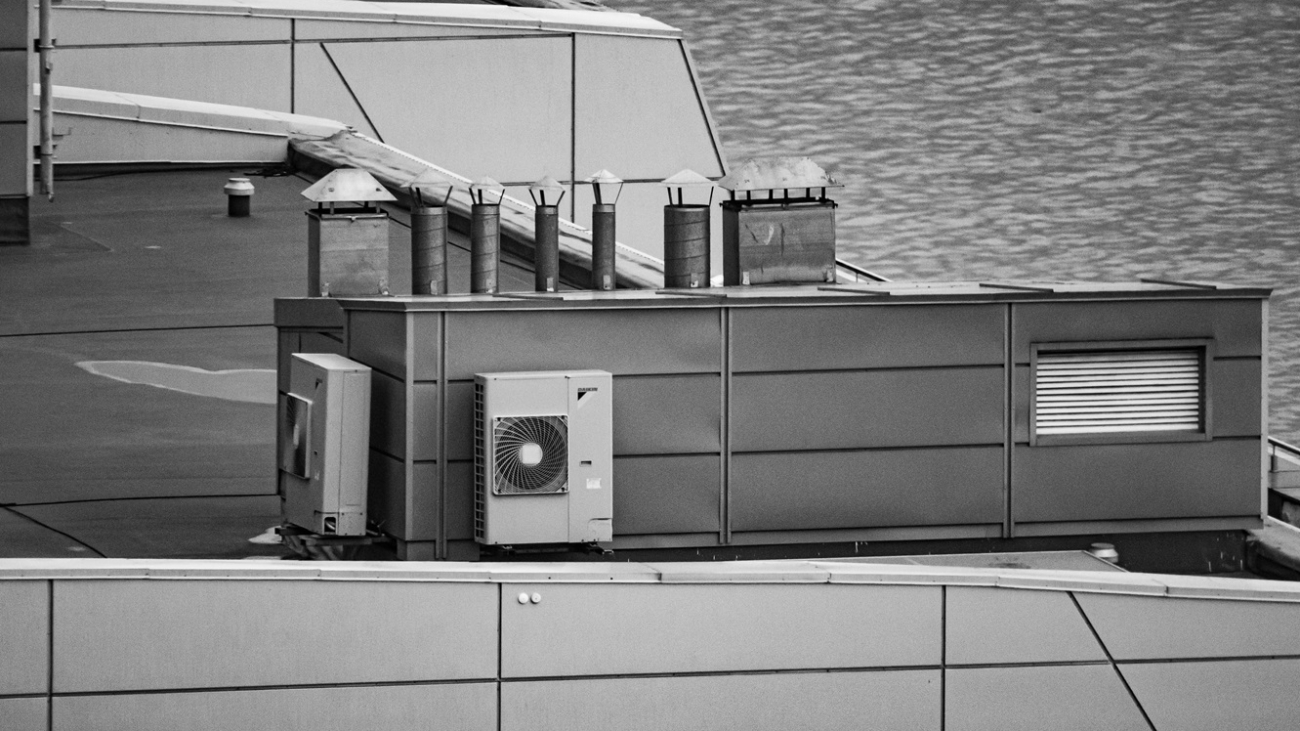
Your rooftop unit works hard every day. However, it rarely complains until something breaks. Strange noises, rising bills, and uneven temperatures are early warnings. Listen closely, because these signals can save you thousands.

Why Your Rooftop HVAC Unit Needs Attention

A rooftop unit (RTU) cools and heats most commercial buildings. Therefore, it directly affects comfort, productivity, and energy costs. Moreover, it sits outdoors and faces harsh weather daily.

Sun, rain, dust, and debris wear down components over time. As a result, small faults grow into major failures. Early detection keeps your system efficient and reliable.

Common Warning Signs of Rooftop Unit Problems

Your unit communicates through sounds, smells, and performance changes. Here are the most important signals to watch.

Unusual Noises From the Rooftop Unit

Grinding, squealing, or rattling sounds are never normal. Often, these noises point to worn bearings or loose belts. Similarly, banging may signal a damaged compressor or loose panel.

Do not ignore these sounds. Instead, schedule a technician right away. Prompt repairs cost far less than full replacements.

Rising Energy Bills

A sudden spike in your electricity bill deserves attention. Typically, clogged filters or dirty coils force the unit to work harder. Consequently, it uses more power to deliver the same comfort.

Compare your bills month to month. If costs climb without a clear reason, your RTU may be struggling.

Uneven Temperatures Inside Your Building

Hot and cold spots frustrate staff and customers. In most cases, this points to airflow problems or failing components. Blocked ducts, weak fans, and refrigerant leaks are common causes.

Furthermore, poor temperature control can hurt business. Comfortable spaces keep people productive and happy.

Frequent Cycling On and Off

Healthy units run in steady cycles. However, short cycling means the system turns on and off too often. This habit strains the compressor and shortens equipment life.

Thermostat faults, dirty filters, or refrigerant issues often cause it. A professional inspection will find the root cause.

Strange Odors and Poor Air Quality

Musty smells suggest mold or moisture in the system. Likewise, a burning smell may indicate electrical trouble. Shut the unit down if you smell burning, and call a technician immediately.

Clean air matters for health. Therefore, address odors without delay.

Water Leaks and Excess Moisture

Puddles around the unit signal drainage trouble. Usually, a clogged condensate line is the culprit. Left alone, leaks can damage your roof and ceiling.

Additionally, ice buildup on coils points to airflow or refrigerant problems. Fix these issues before they spread.

Simple Rooftop Unit Maintenance Tips

Regular care prevents most breakdowns. Fortunately, the basics are easy to follow.

  • Replace filters regularly. Clean filters improve airflow and efficiency.
  • Clean the coils. Dirt reduces heat transfer and raises energy use.
  • Check belts and bearings. Replace worn parts before they fail.
  • Clear roof debris. Leaves and trash block airflow around the unit.
  • Inspect electrical connections. Loose wiring causes shutdowns and safety risks.

Meanwhile, keep a maintenance log. It helps you spot patterns and plan repairs.

The Value of Professional HVAC Maintenance

DIY checks are helpful, but experts see what you cannot. Certified technicians test pressures, measure airflow, and inspect refrigerant levels. Consequently, they catch hidden faults early.

A preventive maintenance plan offers real benefits. First, it lowers emergency repair costs. Second, it extends equipment life. Finally, it keeps your warranty valid.

Schedule inspections at least twice a year. Ideally, book them before summer and winter peaks.

When to Repair and When to Replace Your RTU

Every unit eventually reaches the end of its life. Most rooftop units last 15 to 20 years. However, poor maintenance shortens that span.

Consider replacement if repair bills keep climbing. Also, replace the unit if it uses an outdated refrigerant. Newer models run more efficiently and cost less to operate.

Ask your technician for an honest cost comparison. In many cases, replacement saves money long term.

Protect Your Investment Today

Your rooftop unit is speaking to you. Noises, odors, leaks, and high bills are all messages. Act on them early, and you avoid costly downtime.

Start with a quick inspection this week. Then, book a professional tune-up. Your building, budget, and occupants will thank you.

Do not wait for a breakdown. Contact a qualified HVAC professional today and keep your rooftop unit running strong.

Thermal and Technology Control Systems

The Role of Thermal and Technology Control Systems in Modern Industry

Thermal and Technology Control Systems

Modern industries rely on precision, efficiency, and reliable equipment to remain competitive. Thermal and technology control systems help businesses achieve these goals. They regulate temperatures, monitor machinery, and automate essential industrial processes.

Moreover, these systems improve product quality, reduce energy consumption, and support workplace safety. As industries embrace digital transformation, advanced control technologies continue to shape industrial operations.

What Are Thermal and Technology Control Systems?

Thermal control systems regulate temperature within industrial equipment, production lines, and working environments. They maintain suitable thermal conditions for manufacturing, storage, and processing.

Technology control systems manage equipment and processes through automation, sensors, software, and digital monitoring. These systems help operators maintain consistent performance and respond quickly to changing conditions.

Together, they create a controlled industrial environment. Consequently, manufacturers can improve productivity, minimise operational risks, and maintain consistent production standards.

The Importance of Thermal Control in Industrial Operations

Temperature directly affects industrial processes, product quality, and equipment performance. Therefore, effective thermal management remains essential across many industries.

Maintaining Consistent Product Quality

Many manufacturing processes require precise temperature control. For example, food processing, pharmaceutical production, and chemical manufacturing depend on stable thermal conditions.

Excessive heat or insufficient cooling can compromise product quality. However, accurate temperature monitoring helps manufacturers maintain specifications and reduce material waste.

Protecting Industrial Equipment

High temperatures can damage motors, electrical components, and production machinery. Similarly, inadequate heating can affect equipment performance in certain environments.

Thermal control systems help prevent overheating and maintain suitable operating conditions. As a result, businesses can reduce equipment failures and extend machinery lifespan.

Improving Energy Efficiency

Heating and cooling systems often account for substantial industrial energy consumption. Fortunately, modern thermal controls help businesses manage energy usage more effectively.

Automated temperature adjustments prevent unnecessary heating and cooling. Furthermore, intelligent monitoring identifies inefficiencies and supports better energy management decisions.

How Technology Control Systems Improve Industrial Performance

Technology control systems combine hardware and software to manage complex industrial processes. They help businesses automate repetitive tasks and monitor production activities in real time.

Industrial Automation and Process Control

Automation reduces dependence on manual intervention during routine operations. Programmable logic controllers (PLCs) execute predefined instructions and coordinate industrial machinery.

Meanwhile, supervisory control and data acquisition (SCADA) systems allow operators to monitor equipment remotely. These technologies improve consistency, operational speed, and process visibility.

Real-Time Monitoring and Data Analysis

Sensors collect information about temperature, pressure, humidity, and equipment performance. Control systems then process this information to support operational decisions.

Consequently, managers can identify irregularities before they disrupt production. Real-time monitoring also helps teams improve maintenance schedules and reduce unexpected downtime.

Integration With Smart Manufacturing

Smart manufacturing connects industrial equipment through digital networks. Technologies such as the Industrial Internet of Things (IIoT) enable machines to exchange operational data.

Additionally, artificial intelligence can analyse equipment behaviour and identify performance patterns. This integration supports more responsive, efficient, and data-driven manufacturing environments.

Key Industries That Depend on Thermal and Technology Control Systems

Thermal and technology control systems support numerous industrial sectors. Their applications vary according to production requirements, safety standards, and environmental conditions.

Manufacturing and Engineering

Manufacturers use temperature controls in metalworking, plastics production, and precision engineering. Automated systems also regulate assembly lines and coordinate machinery.

As a result, businesses can improve production consistency and reduce operational waste.

Food and Beverage Processing

Food manufacturers require controlled temperatures during cooking, cooling, pasteurisation, and storage. Automated monitoring helps maintain product quality and appropriate processing conditions.

Furthermore, reliable control systems support food safety procedures and reduce spoilage risks.

Pharmaceutical and Healthcare Industries

Pharmaceutical production often requires tightly controlled temperatures and environmental conditions. Certain medicines and biological materials also require specialised storage environments.

Therefore, accurate monitoring and reliable alarms help businesses protect sensitive products. Documented temperature records can also support quality assurance and regulatory compliance.

Energy and Chemical Processing

Power generation facilities use thermal controls to manage boilers, turbines, and cooling systems. Chemical plants rely on precise process controls to maintain suitable operating conditions.

In both sectors, integrated monitoring helps operators identify abnormal conditions. Consequently, businesses can improve process stability and manage operational risks.

Benefits of Integrating Thermal and Technology Control Systems

Integrating thermal management with industrial automation delivers several practical advantages.

  • Higher productivity: Automated processes reduce manual intervention and improve operational consistency.

  • Lower operating costs: Efficient temperature regulation can reduce energy consumption and material waste.

  • Improved safety: Sensors and alarms help operators identify potentially hazardous conditions.

  • Predictive maintenance: Equipment data helps maintenance teams detect developing faults.

  • Better product quality: Precise process control supports consistent production standards.

  • Reduced downtime: Early fault detection helps prevent unexpected equipment interruptions.

Moreover, integrated systems give managers clearer insights into industrial performance. This visibility supports better planning and continuous improvement.

Challenges in Implementing Industrial Control Systems

Despite their benefits, industrial control systems present several implementation challenges. Businesses must address these issues to achieve reliable results.

Initial Investment and Integration Costs

Modern control equipment can require substantial upfront investment. Installation, software integration, and employee training also contribute to project costs.

Nevertheless, businesses can reduce financial risks through phased implementation. Prioritising critical equipment can also deliver measurable improvements before wider deployment.

Cybersecurity Risks

Connected industrial systems may face cyberattacks, unauthorised access, and operational disruption. Therefore, businesses should protect control networks with appropriate security measures.

Strong access controls, network segmentation, regular updates, and continuous monitoring help reduce these risks.

Skills and Maintenance Requirements

Advanced control systems require skilled personnel for installation, configuration, and troubleshooting. Without proper training, businesses may struggle to maximise system performance.

Consequently, organisations should invest in employee development and preventive maintenance programmes.

The Future of Thermal and Technology Control Systems

Industrial control technologies continue to evolve alongside digital innovation. Artificial intelligence, machine learning, and connected sensors are expanding monitoring and automation capabilities.

For instance, intelligent systems can analyse operating data and adjust processes automatically. Predictive analytics can also help maintenance teams identify equipment problems earlier.

Additionally, energy-efficient controls will become increasingly important as industries pursue sustainability goals. Manufacturers will continue seeking technologies that reduce waste, improve reliability, and optimise resource consumption.

Digital twins may also help businesses simulate industrial processes before making physical changes. This approach can support better planning and more informed engineering decisions.

Conclusion

Thermal and technology control systems play an essential role in modern industrial operations. They maintain stable temperatures, automate processes, and improve equipment reliability.

Furthermore, their integration supports energy efficiency, product quality, workplace safety, and predictive maintenance. Although implementation requires investment and technical expertise, the long-term benefits can be substantial.

Ultimately, businesses that adopt suitable control technologies can strengthen operational performance. By combining reliable thermal management with intelligent automation, industries can build more efficient and resilient production environments.

HVAC Maintenance Service: Protect Your Heating and Cooling System

HVAC Maintenance Service: Protect Your Heating and Cooling System

HVAC Maintenance Service: Protect Your Heating and Cooling System

An HVAC maintenance service keeps your heating and cooling system operating efficiently. Regular maintenance also helps prevent unexpected breakdowns and expensive repairs.

Moreover, professional servicing improves indoor comfort throughout the year. It ensures your HVAC equipment performs reliably during demanding weather conditions.

What Is HVAC Maintenance?

HVAC maintenance involves inspecting, cleaning, testing, and adjusting heating and cooling equipment. Professionals check essential components to identify potential problems early.

Additionally, technicians inspect filters, electrical connections, thermostats, coils, motors, and refrigerant levels. They also examine airflow and system performance.

Therefore, routine maintenance helps maintain consistent temperatures while reducing unnecessary energy consumption.

Why Regular HVAC Maintenance Matters

Regular HVAC maintenance provides several benefits for homeowners and businesses. First, it helps extend the equipment’s operational lifespan.

Furthermore, preventive servicing can identify minor issues before they become major failures. This approach can reduce unexpected repair costs.

A well-maintained HVAC system can also operate more efficiently. Consequently, efficient operation may help reduce monthly energy expenses.

Key HVAC Maintenance Services

A professional HVAC maintenance service typically includes several important tasks. Each task supports reliable and efficient system performance.

Air Filter Replacement

Dirty filters restrict airflow and force HVAC equipment to work harder. Technicians inspect filters and recommend replacement when necessary.

Coil Cleaning

Dust and debris can accumulate on evaporator and condenser coils. Therefore, technicians clean these components to support efficient heat transfer.

Thermostat Inspection

Technicians test thermostats to ensure accurate temperature control. They may also recommend calibration or replacement when required.

Electrical Component Inspection

Loose connections and damaged electrical components can affect HVAC performance. Professionals inspect wiring, capacitors, switches, and other critical components.

Refrigerant Level Check

Air conditioning systems require appropriate refrigerant levels for effective cooling. Technicians check for potential issues and investigate suspected leaks.

Benefits of Professional HVAC Maintenance

Professional HVAC maintenance offers more than basic cleaning. It provides a structured approach to protecting your investment.

First, regular inspections can improve system reliability. Secondly, maintenance can support better indoor air quality by keeping components clean.

Additionally, professional servicing may improve airflow and temperature consistency. As a result, occupants can enjoy a more comfortable indoor environment.

Routine maintenance can also help identify worn components early. This allows property owners to address problems before they cause significant disruption.

How Often Should HVAC Systems Be Serviced?

Most HVAC systems benefit from professional maintenance at least twice annually. Ideally, heating and cooling equipment should receive attention before periods of heavy use.

However, service frequency depends on equipment type, usage, location, and operating conditions. Homes with pets, dust, or heavy system usage may require more frequent attention.

Therefore, a qualified HVAC professional can recommend an appropriate maintenance schedule.

Signs Your HVAC System Needs Maintenance

Several warning signs indicate that your HVAC system requires professional attention. These include unusual noises, weak airflow, inconsistent temperatures, and rising energy bills.

Likewise, frequent cycling can indicate an underlying system problem. Unpleasant odours may also signal dirty components or other maintenance concerns.

If you notice these symptoms, schedule an HVAC inspection promptly.

Choose a Reliable HVAC Maintenance Service

Choosing the right HVAC maintenance provider can protect your equipment and improve long-term performance. Look for experienced technicians with appropriate training and industry knowledge.

Additionally, select a company that provides clear service details and transparent pricing. Reliable providers should explain identified problems before recommending repairs.

Finally, consider companies offering scheduled maintenance plans. These plans make routine servicing easier to manage throughout the year.

Final Thoughts

HVAC maintenance service plays an important role in equipment reliability and indoor comfort. Regular servicing can reduce breakdown risks while supporting efficient system operation.

Moreover, preventive maintenance can extend equipment life and help control unnecessary repair expenses. Therefore, scheduling professional HVAC maintenance remains a smart investment for homeowners and businesses.

By maintaining your system consistently, you can enjoy dependable heating and cooling when you need it most.

Heating and Ventilating

Heating and Ventilating: Your Complete Guide to a Comfortable, Healthy Home

Heating and Ventilating

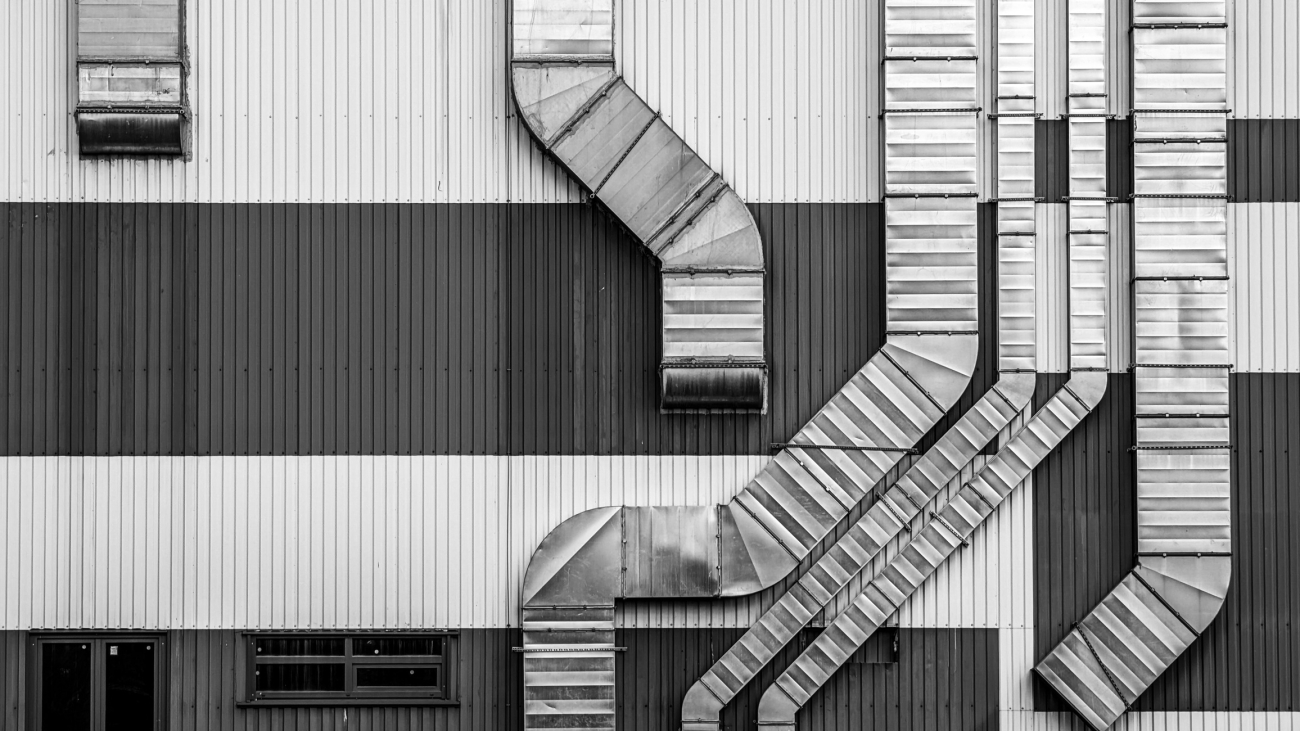
Heating and ventilating shape how a building feels every day. Together, they control temperature, air quality, and energy costs. Moreover, a well-designed system protects your health and your wallet. This guide explains how these systems work and how to get the best results.

What Is Heating and Ventilating?

Heating raises indoor temperatures to a comfortable level. Ventilating, on the other hand, replaces stale indoor air with fresh outdoor air. Both processes work side by side in most modern buildings.

Professionals often group them under the term HVAC. Therefore, a good design always considers both functions together. Otherwise, you risk poor airflow, wasted energy, and uneven temperatures.

Why Proper Ventilation Matters for Indoor Air Quality

Indoor air often contains more pollutants than outdoor air. Dust, cooking fumes, and moisture build up quickly in closed rooms. As a result, residents may suffer headaches, allergies, and breathing problems.

Good ventilation removes these pollutants before they cause harm. Additionally, it controls humidity and prevents mold growth. Consequently, your walls, furniture, and lungs stay in better condition.

Fresh air also improves focus and sleep. For example, offices with strong airflow report higher productivity. Similarly, bedrooms with steady ventilation help people rest more deeply.

Types of Heating Systems for Homes and Offices

Choosing the right heating system depends on your climate, budget, and building size. Below are the most common options.

Central Heating Systems

Central heating warms a whole building from one source. A boiler or furnace heats water or air. Then, pipes or ducts distribute that heat to each room.

This option suits large homes and commercial spaces. However, installation costs can run high. Still, the even warmth often justifies the investment.

Electric Heaters and Radiant Panels

Electric heaters offer simple installation and quick results. Radiant panels warm objects and people directly rather than the air. Thus, they feel comfortable even at lower thermostat settings.

These units work well for small rooms and apartments. Nevertheless, electricity prices can make long-term use expensive.

Heat Pumps

Heat pumps move heat instead of creating it. In winter, they pull warmth from outside air and bring it indoors. In summer, they reverse the process and cool your space.

Because of this design, heat pumps use far less energy than traditional heaters. In fact, many models deliver three units of heat for every unit of electricity.

Types of Ventilation Systems

Ventilation systems fall into three main categories. Each one fits different building needs.

Natural Ventilation

Natural ventilation relies on open windows, vents, and air pressure differences. It costs nothing to run. Yet it depends heavily on weather and building layout.

Mechanical Ventilation

Mechanical systems use fans and ducts to move air. They deliver steady airflow regardless of the weather. Moreover, you can control the airflow rate precisely.

Heat Recovery Ventilation

Heat recovery units capture warmth from outgoing air. They then transfer that warmth to incoming fresh air. Consequently, you enjoy fresh air without losing much heat.

This technology suits airtight, energy-efficient buildings especially well. In addition, it reduces heating bills noticeably.

How to Improve Energy Efficiency in Heating and Ventilating

Energy efficiency saves money and protects the environment. Fortunately, several simple steps can make a big difference.

  • Seal air leaks. Gaps around doors and windows waste heat quickly.
  • Add insulation. Good insulation keeps warmth inside during cold weather.
  • Use smart thermostats. These devices adjust temperatures based on your schedule.
  • Clean or replace filters. Dirty filters restrict airflow and strain your system.
  • Schedule regular servicing. Annual checks catch small faults before they grow.

Furthermore, zoning your home adds extra control. You can heat only the rooms you use. Therefore, you avoid paying to warm empty spaces.

Common Heating and Ventilating Problems

Even good systems develop faults over time. Knowing the warning signs helps you act early.

Strange noises often signal loose parts or failing fans. Uneven temperatures usually point to blocked ducts or poor balancing. Likewise, musty smells suggest moisture problems or dirty filters.

Rising energy bills also deserve attention. If costs climb without explanation, your system may be losing efficiency. In that case, call a qualified technician promptly.

Tips for Choosing the Right System

Start by measuring your space and assessing your insulation. Next, consider your local climate and typical weather patterns. After that, compare running costs, not just purchase prices.

Always hire certified installers. Poor installation ruins even the best equipment. Besides, proper sizing matters greatly. An oversized unit cycles too often, while an undersized unit never keeps up.

Finally, ask about warranties and maintenance plans. These details protect your investment for years.

The Future of Heating and Ventilating

Technology continues to reshape this industry. Smart sensors now track carbon dioxide, humidity, and temperature in real time. Meanwhile, systems adjust automatically to keep conditions ideal.

Renewable energy also plays a growing role. Solar panels power heat pumps in many modern homes. Likewise, geothermal systems tap stable underground temperatures for reliable comfort.

Because of these advances, buildings will become cleaner, smarter, and cheaper to run. Early adopters already enjoy lower bills and better air.

Final Thoughts on Heating and Ventilating

Heating and ventilating deliver far more than simple comfort. They protect your health, preserve your property, and control your energy spending. Therefore, treat these systems as essential investments rather than optional extras.

Start with a proper assessment of your needs. Then choose efficient equipment, maintain it regularly, and upgrade when technology improves. As a result, you will enjoy a warm, fresh, and healthy space all year round.