
Rear Door Heat Exchangers

How Do Rear Door Heat Exchangers Work?

Rear Door Heat Exchangers

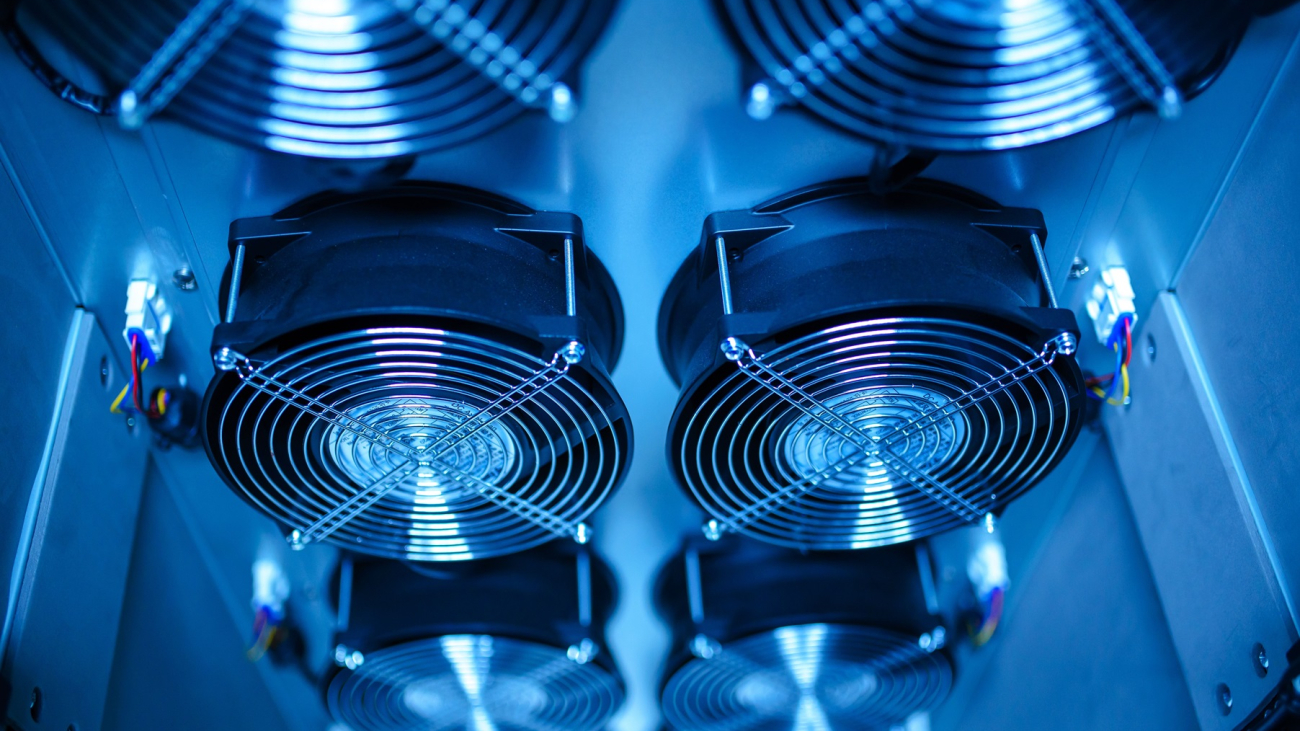
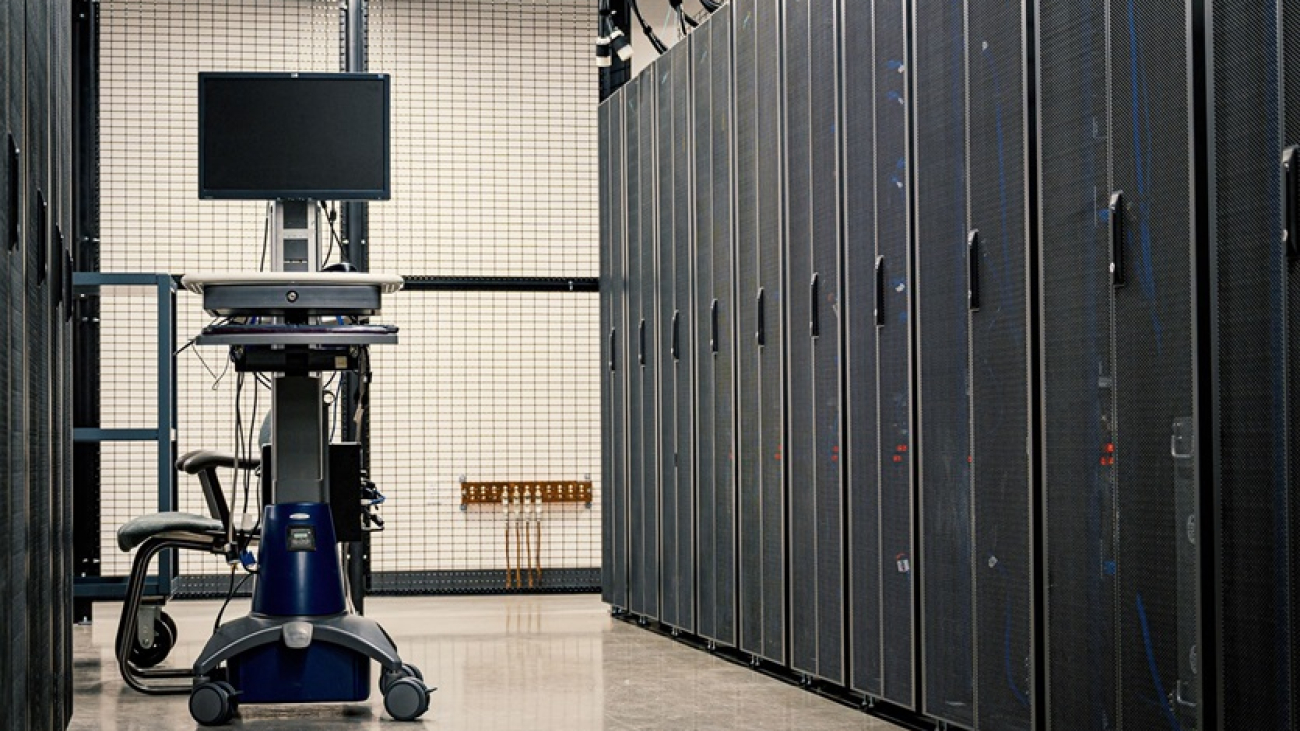
Rear door heat exchangers provide efficient cooling for high-density data centres. They attach directly to server racks and remove heat from exhaust air.

Unlike traditional room cooling, these systems target heat where it originates. As a result, they can improve cooling efficiency and reduce energy consumption.

What Is a Rear Door Heat Exchanger?

A rear door heat exchanger replaces or attaches to a server rack’s rear door. It contains a water-cooled coil that absorbs heat from server exhaust air.

Servers draw cool air through their front panels during operation. Meanwhile, they release heated air through the rear.

The rear door exchanger captures this hot exhaust air. Consequently, it prevents excessive heat from entering the data centre environment.

How Does a Rear Door Heat Exchanger Work?

The cooling process begins when servers produce heat during normal operation. Their fans then push warm air towards the rack’s rear.

Next, the heated air passes through the exchanger’s cooling coil. Chilled water flows through the coil at the same time.

The water absorbs heat from the passing air. Therefore, the air leaving the exchanger becomes significantly cooler.

Finally, the cooled air returns to the data centre. The process continues continuously while the servers operate.

What Components Does the System Use?

A typical rear door heat exchanger contains several important components. Each component contributes to effective rack-level cooling.

The main component is the cooling coil. It transfers heat between the hot server exhaust and chilled water.

The system also includes fans or uses existing server fans. Additionally, water connections supply and remove chilled water from the coil.

Control systems can regulate water flow and monitor temperatures. Sensors may also detect leaks, airflow conditions, and system performance.

Why Do Data Centres Use Rear Door Heat Exchangers?

Modern servers generate substantial heat, especially in high-density computing environments. Therefore, conventional cooling systems can struggle with concentrated heat loads.

Rear door heat exchangers provide targeted cooling directly at the rack. This approach reduces the amount of heat released into the room.

Furthermore, they can support higher rack densities without major room modifications. Data centres can therefore accommodate powerful computing equipment more efficiently.

They also help reduce hot spots around server racks. Consequently, they can contribute to more stable operating temperatures.

How Does Water Remove Server Heat?

Water transfers heat efficiently because it has high heat capacity. The chilled water enters the exchanger at a controlled temperature.

As hot air crosses the coil, heat moves into the water. The warmed water then travels away from the exchanger.

Afterward, a cooling system removes that captured heat. The cooled water can then return to the heat exchanger.

This continuous cycle allows the exchanger to manage substantial heat loads. However, proper water temperature and flow remain essential.

What Are the Benefits of Rear Door Heat Exchangers?

Rear door heat exchangers offer several benefits for modern data centres. Most importantly, they provide cooling directly where server heat concentrates.

They can also support high-density server deployments. Additionally, they reduce the cooling burden placed on room-level systems.

Another advantage involves space efficiency. Because the exchanger attaches to the rack, it requires limited additional floor space.

Moreover, these systems can operate alongside existing cooling infrastructure. Therefore, facilities can improve rack cooling without completely redesigning their cooling architecture.

Are Rear Door Heat Exchangers Suitable for Every Rack?

Not every server rack requires a rear door heat exchanger. Low-density environments may already have sufficient room-level cooling.

However, high-density racks often benefit significantly from targeted cooling. Applications involving artificial intelligence and high-performance computing can generate considerable heat.

Rack compatibility also matters. The exchanger must match the rack size, server configuration, airflow pattern, and cooling infrastructure.

Therefore, facility operators should evaluate heat loads before selecting a system.

What Maintenance Does a Rear Door Heat Exchanger Need?

Regular maintenance helps maintain reliable cooling performance. Technicians should inspect coils, connections, valves, sensors, and drainage systems.

They should also check for leaks and unusual temperature changes. Furthermore, keeping the coil clean helps maintain effective heat transfer.

Water quality requires attention as well. Poor water quality can contribute to corrosion, scaling, or reduced performance.

Routine inspections can therefore prevent avoidable cooling problems. In addition, monitoring systems can provide early warnings when conditions change.

Conclusion

Rear door heat exchangers remove server heat directly from rack exhaust air. They use chilled water to transfer heat away from high-density equipment.

As a result, they provide targeted and space-efficient cooling. Furthermore, they can support demanding computing environments and reduce room cooling requirements.

For high-density data centres, this technology offers a practical approach to managing increasing server heat loads.
Rear Door Cooling

What’s the Difference Between Rear Door Cooling and Direct to Chip?

Rear Door Cooling

Data centres generate significant heat as computing systems operate continuously. Therefore, effective cooling remains essential for maintaining reliable performance and equipment lifespan.

Two modern cooling approaches are rear door cooling and direct-to-chip cooling. Both support high-density computing environments. However, they manage heat differently.

Understanding these differences helps data centre operators choose suitable cooling infrastructure.

What Is Rear Door Cooling?

Rear door cooling uses a specialised heat exchanger attached to the back of a server rack. Consequently, it captures hot exhaust air before that heat enters the room.

The system typically connects to a chilled-water or facility-water loop. Hot air passes through the rear-door coil and transfers heat into the water.

Afterward, the cooled air returns to the data centre environment. Meanwhile, the heated water travels through the cooling system for heat rejection.

This approach works well with conventional air-cooled servers. Additionally, it can support higher rack densities without completely redesigning existing infrastructure.

What Is Direct-to-Chip Cooling?

Direct-to-chip cooling transfers heat directly from processors and other high-power components. Instead of cooling hot room air, it targets the heat source itself.

A cold plate sits directly against the processor or accelerator. Coolant flows through the plate and absorbs heat from the component.

The heated coolant then moves toward a heat-rejection system. As a result, significantly less heat enters the surrounding data centre air.

Direct-to-chip cooling is increasingly relevant for artificial intelligence and high-performance computing. These workloads can produce much higher thermal loads than traditional servers.

Rear Door Cooling vs Direct-to-Chip Cooling

The biggest difference involves where heat gets captured.

Rear door cooling captures heat after it leaves the server. Direct-to-chip cooling captures heat directly from critical components.

Therefore, direct-to-chip systems can remove heat earlier in the thermal process. Rear door systems, meanwhile, remain closer to conventional air-cooling designs.

However, both approaches can reduce cooling challenges in high-density environments.

How Do Their Cooling Methods Compare?

Rear door cooling relies primarily on airflow through a heat exchanger. Server fans push hot exhaust air through the rear door.

Direct-to-chip cooling instead uses liquid flowing through cold plates. This creates a more direct path between the heat source and cooling medium.

Consequently, direct-to-chip systems can handle extremely concentrated component-level heat loads.

Rear door cooling can still provide substantial cooling capacity. Furthermore, it often requires fewer changes to standard server configurations.

Which Technology Supports Higher-Density Servers?

Direct-to-chip cooling generally suits extremely high-density computing applications. AI accelerators, GPUs and specialised processors can generate substantial heat.

However, rack density varies considerably between deployments. Therefore, cooling requirements should depend on actual equipment specifications.

Rear door cooling can support increased rack densities compared with traditional room-based cooling. Nevertheless, very high-density systems may require liquid cooling at the component level.

In some environments, operators can also combine cooling technologies. For example, direct-to-chip cooling can handle processor heat while air cooling manages remaining components.

Installation and Infrastructure Requirements

Rear door cooling can integrate with existing server racks and airflow designs. Consequently, deployment may involve fewer hardware changes.

However, operators still need suitable water connections, pumps and control systems. Rack weight and door clearance also require careful consideration.

Direct-to-chip cooling usually requires compatible servers or specialised conversion kits. Additionally, coolant distribution infrastructure becomes more important.

Operators must consider manifolds, hoses, cold plates and leak-management systems. Therefore, planning requirements can become more complex.

Energy Efficiency Considerations

Both technologies can improve cooling efficiency when properly designed. However, actual results depend on facility architecture and operating conditions.

Rear door cooling reduces the amount of heat released into the data centre space. Therefore, room-level cooling systems may operate more efficiently.

Direct-to-chip cooling can remove heat directly from processors. Consequently, it can reduce dependence on large volumes of conditioned room air.

Moreover, some liquid-cooling systems can operate with higher coolant temperatures. This may create additional opportunities for efficient heat rejection.

Maintenance and Reliability

Rear door systems require maintenance of coils, filters and water circuits. However, their design can remain relatively familiar to data centre technicians.

Direct-to-chip systems introduce additional liquid-cooling components. Therefore, maintenance procedures must address coolant quality and connection integrity.

Leak detection also becomes particularly important. Nevertheless, modern liquid-cooling systems can incorporate monitoring and protection mechanisms.

Which Cooling Approach Should You Choose?

The right choice depends on workload density, server design and facility infrastructure.

Rear door cooling can suit organisations upgrading conventional air-cooled environments. It provides additional cooling capacity without necessarily replacing every server.

Direct-to-chip cooling can suit facilities supporting demanding AI and high-performance computing workloads. It provides targeted thermal management for high-power components.

Ultimately, operators should evaluate heat loads, rack density, infrastructure costs and future expansion plans.

Final Thoughts

Rear door cooling and direct-to-chip cooling solve similar problems differently. Rear door systems capture hot exhaust air at the rack level.

Direct-to-chip systems remove heat directly from processors and other high-power components. Therefore, each technology serves different deployment requirements.

As computing densities increase, liquid cooling will become increasingly important. Choosing the right approach requires careful consideration of current and future workloads.

data center liquid cooling

Can You Add Liquid Cooling to an Existing Data Center?

data center liquid cooling

Yes, you can add liquid cooling to an existing data center. However, the process requires careful planning, suitable infrastructure, and technical expertise.

As data center workloads increase, traditional air cooling often faces greater pressure. High-density servers generate significant heat that air-based systems may struggle to remove efficiently.

Therefore, many operators are considering liquid cooling as a practical upgrade. Fortunately, existing facilities can often adopt liquid cooling without complete reconstruction.

Why Consider Liquid Cooling for an Existing Data Center?

Modern servers increasingly use powerful processors and accelerators. Consequently, these components produce more heat within smaller spaces.

Traditional cooling systems rely heavily on conditioned air. However, air becomes less effective as rack power density increases.

Liquid cooling transfers heat more efficiently than air. In addition, it can support higher rack densities within limited floor space.

As a result, data center operators can potentially increase computing capacity. They can also improve thermal management and energy efficiency.

Can Existing Data Centers Support Liquid Cooling?

Most existing facilities can support some form of liquid cooling. Nevertheless, compatibility depends on the building and equipment design.

First, operators must examine the existing cooling infrastructure. They should also evaluate electrical capacity, rack layouts, floor loading, and available space.

Furthermore, the facility needs suitable water or coolant distribution systems. Depending on the technology, operators may need additional pumps, heat exchangers, or manifolds.

The server hardware also matters. Some systems support direct liquid cooling from the manufacturer. Others may require specialized components or compatible cooling plates.

Therefore, operators should complete a detailed infrastructure assessment before installation.

What Types of Liquid Cooling Can You Add?

Several liquid cooling technologies can work within existing data centers.

Direct-to-Chip Liquid Cooling

Direct-to-chip cooling places cooling plates directly against high-heat components. These plates absorb heat and transfer it through circulating coolant.

This approach works particularly well for high-performance computing systems. It can also support artificial intelligence and other demanding workloads.

Moreover, direct-to-chip cooling can operate alongside traditional air cooling. This makes it suitable for gradual data center upgrades.

Rear-Door Heat Exchangers

Rear-door heat exchangers attach to existing server racks. They remove heat from exhaust air before it enters the data center environment.

Consequently, operators can manage higher rack densities without replacing every cooling system.

This method can also reduce disruption during installation. However, operators must verify rack compatibility and available cooling capacity.

Immersion Cooling

Immersion cooling places servers inside specially designed dielectric fluid. The fluid absorbs heat directly from the equipment.

This approach can handle extremely high computing densities. However, it usually requires more substantial equipment and operational changes.

Therefore, immersion cooling may suit specific high-density environments rather than entire facilities.

What Infrastructure Changes Are Required?

Adding liquid cooling requires more than installing cooling equipment. The facility must support the complete cooling loop.

First, operators may need new piping and distribution equipment. They may also require pumps, control systems, heat exchangers, and coolant monitoring.

In addition, water quality becomes important for many liquid cooling systems. Poor water quality can cause corrosion, scaling, or equipment damage.

Therefore, operators should establish appropriate filtration and treatment processes.

Electrical infrastructure also deserves attention. Pumps and cooling equipment consume power, although total cooling energy can decrease.

Meanwhile, floor space must accommodate additional mechanical equipment. The installation team should also consider maintenance access and leak detection.

Can Liquid Cooling Work Alongside Air Cooling?

Yes, hybrid cooling is one of the most practical approaches for existing facilities.

For example, operators can use liquid cooling for high-density racks. Meanwhile, conventional air cooling can handle lower-density equipment.

This approach allows organizations to upgrade gradually. Consequently, they can avoid replacing an entire cooling system at once.

Hybrid cooling also provides greater flexibility during changing workloads. Operators can match cooling technology with the thermal requirements of each rack.

What Are the Benefits of Retrofitting Liquid Cooling?

Liquid cooling can provide several benefits when properly designed.

First, it can support significantly higher rack densities. This makes it valuable for AI, machine learning, and high-performance computing.

Second, liquid transfers heat more efficiently than air. Therefore, cooling systems can potentially operate with lower energy requirements.

Third, liquid cooling can improve space utilization. Higher-density equipment can deliver more computing capacity within existing floor areas.

Additionally, operators can extend the useful life of existing facilities. They can upgrade cooling capabilities without necessarily constructing a new data center.

What Challenges Should You Expect?

Despite its advantages, liquid cooling introduces new technical requirements.

For instance, leaks can create serious equipment risks. Therefore, facilities need proper leak detection and containment measures.

Maintenance procedures may also change. Technicians need appropriate training for pumps, coolant systems, connectors, and heat exchangers.

Furthermore, compatibility can become a major concern. Existing racks and servers may not support every liquid cooling technology.

Installation can also cause temporary operational disruption. Consequently, organizations should schedule upgrades carefully around critical workloads.

How to Retrofit Liquid Cooling Successfully

A successful retrofit starts with a detailed site assessment. First, identify high-density racks and determine their cooling requirements.

Next, evaluate the existing mechanical and electrical infrastructure. Then, select a liquid cooling method that matches the facility.

Afterward, develop a phased implementation plan. Begin with a pilot deployment before expanding across the facility.

During the pilot, monitor temperatures, coolant flow, energy consumption, and system reliability.

Finally, use the collected data to refine the wider deployment.

Final Thoughts

Adding liquid cooling to an existing data center is entirely possible. However, success depends on careful planning and infrastructure compatibility.

Direct-to-chip cooling and rear-door heat exchangers offer practical retrofit options. Meanwhile, immersion cooling can support specialized high-density environments.

Most importantly, operators should avoid treating liquid cooling as a simple equipment replacement.

Instead, they should evaluate the entire cooling ecosystem. With the right design, a retrofit can support higher densities and better thermal management.

As computing demands continue to grow, liquid cooling will become increasingly important. Therefore, upgrading existing data centers can help organizations prepare for future workloads.