Modern industries rely on precision, efficiency, and reliable equipment to remain competitive. Thermal and technology control systems help businesses achieve these goals. They regulate temperatures, monitor machinery, and automate essential industrial processes.
Moreover, these systems improve product quality, reduce energy consumption, and support workplace safety. As industries embrace digital transformation, advanced control technologies continue to shape industrial operations.
What Are Thermal and Technology Control Systems?
Thermal control systems regulate temperature within industrial equipment, production lines, and working environments. They maintain suitable thermal conditions for manufacturing, storage, and processing.
Technology control systems manage equipment and processes through automation, sensors, software, and digital monitoring. These systems help operators maintain consistent performance and respond quickly to changing conditions.
Together, they create a controlled industrial environment. Consequently, manufacturers can improve productivity, minimise operational risks, and maintain consistent production standards.
The Importance of Thermal Control in Industrial Operations
Temperature directly affects industrial processes, product quality, and equipment performance. Therefore, effective thermal management remains essential across many industries.
Maintaining Consistent Product Quality
Many manufacturing processes require precise temperature control. For example, food processing, pharmaceutical production, and chemical manufacturing depend on stable thermal conditions.
Excessive heat or insufficient cooling can compromise product quality. However, accurate temperature monitoring helps manufacturers maintain specifications and reduce material waste.
Protecting Industrial Equipment
High temperatures can damage motors, electrical components, and production machinery. Similarly, inadequate heating can affect equipment performance in certain environments.
Thermal control systems help prevent overheating and maintain suitable operating conditions. As a result, businesses can reduce equipment failures and extend machinery lifespan.
Improving Energy Efficiency
Heating and cooling systems often account for substantial industrial energy consumption. Fortunately, modern thermal controls help businesses manage energy usage more effectively.
Automated temperature adjustments prevent unnecessary heating and cooling. Furthermore, intelligent monitoring identifies inefficiencies and supports better energy management decisions.
How Technology Control Systems Improve Industrial Performance
Technology control systems combine hardware and software to manage complex industrial processes. They help businesses automate repetitive tasks and monitor production activities in real time.
Industrial Automation and Process Control
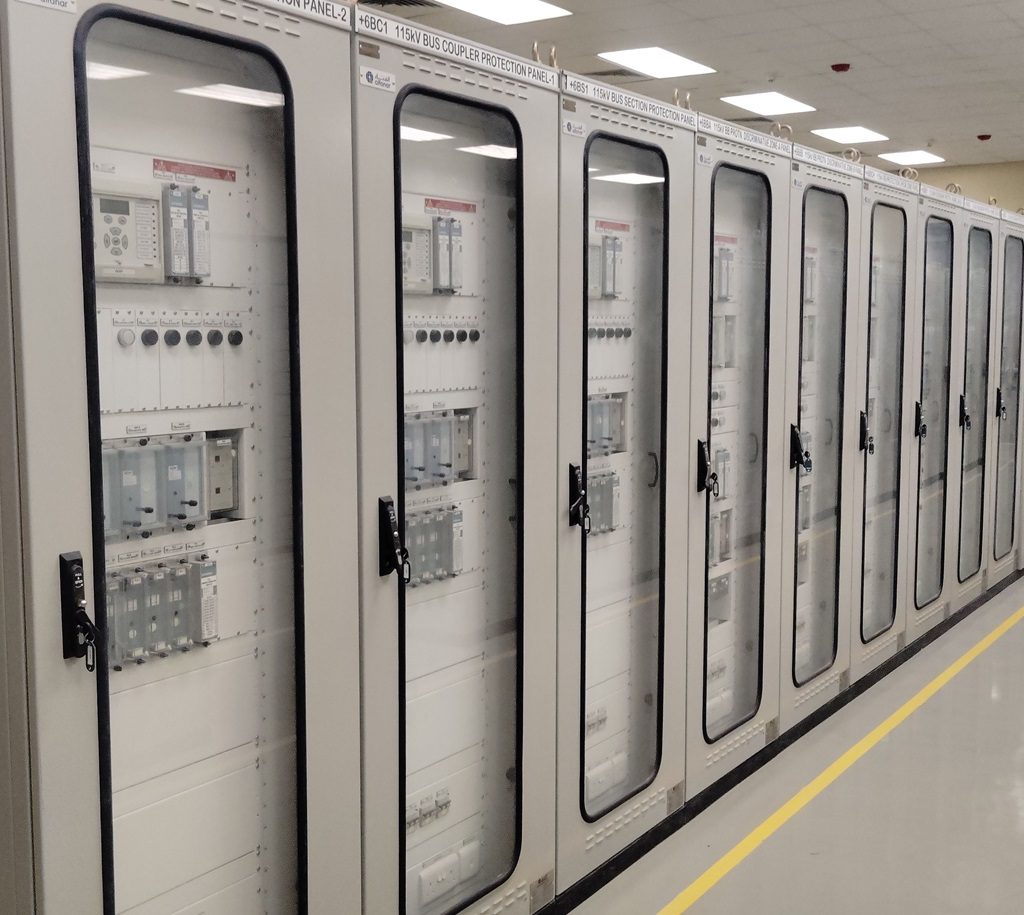
Automation reduces dependence on manual intervention during routine operations. Programmable logic controllers (PLCs) execute predefined instructions and coordinate industrial machinery.
Meanwhile, supervisory control and data acquisition (SCADA) systems allow operators to monitor equipment remotely. These technologies improve consistency, operational speed, and process visibility.
Real-Time Monitoring and Data Analysis
Sensors collect information about temperature, pressure, humidity, and equipment performance. Control systems then process this information to support operational decisions.
Consequently, managers can identify irregularities before they disrupt production. Real-time monitoring also helps teams improve maintenance schedules and reduce unexpected downtime.
Integration With Smart Manufacturing
Smart manufacturing connects industrial equipment through digital networks. Technologies such as the Industrial Internet of Things (IIoT) enable machines to exchange operational data.
Additionally, artificial intelligence can analyse equipment behaviour and identify performance patterns. This integration supports more responsive, efficient, and data-driven manufacturing environments.
Key Industries That Depend on Thermal and Technology Control Systems
Thermal and technology control systems support numerous industrial sectors. Their applications vary according to production requirements, safety standards, and environmental conditions.
Manufacturing and Engineering
Manufacturers use temperature controls in metalworking, plastics production, and precision engineering. Automated systems also regulate assembly lines and coordinate machinery.
As a result, businesses can improve production consistency and reduce operational waste.
Food and Beverage Processing
Food manufacturers require controlled temperatures during cooking, cooling, pasteurisation, and storage. Automated monitoring helps maintain product quality and appropriate processing conditions.
Furthermore, reliable control systems support food safety procedures and reduce spoilage risks.
Pharmaceutical and Healthcare Industries
Pharmaceutical production often requires tightly controlled temperatures and environmental conditions. Certain medicines and biological materials also require specialised storage environments.
Therefore, accurate monitoring and reliable alarms help businesses protect sensitive products. Documented temperature records can also support quality assurance and regulatory compliance.
Energy and Chemical Processing
Power generation facilities use thermal controls to manage boilers, turbines, and cooling systems. Chemical plants rely on precise process controls to maintain suitable operating conditions.
In both sectors, integrated monitoring helps operators identify abnormal conditions. Consequently, businesses can improve process stability and manage operational risks.
Benefits of Integrating Thermal and Technology Control Systems
Integrating thermal management with industrial automation delivers several practical advantages.
Higher productivity: Automated processes reduce manual intervention and improve operational consistency.
Lower operating costs: Efficient temperature regulation can reduce energy consumption and material waste.
Improved safety: Sensors and alarms help operators identify potentially hazardous conditions.
Predictive maintenance: Equipment data helps maintenance teams detect developing faults.
Better product quality: Precise process control supports consistent production standards.
Reduced downtime: Early fault detection helps prevent unexpected equipment interruptions.
Moreover, integrated systems give managers clearer insights into industrial performance. This visibility supports better planning and continuous improvement.
Challenges in Implementing Industrial Control Systems
Despite their benefits, industrial control systems present several implementation challenges. Businesses must address these issues to achieve reliable results.
Initial Investment and Integration Costs
Modern control equipment can require substantial upfront investment. Installation, software integration, and employee training also contribute to project costs.
Nevertheless, businesses can reduce financial risks through phased implementation. Prioritising critical equipment can also deliver measurable improvements before wider deployment.
Cybersecurity Risks
Connected industrial systems may face cyberattacks, unauthorised access, and operational disruption. Therefore, businesses should protect control networks with appropriate security measures.
Strong access controls, network segmentation, regular updates, and continuous monitoring help reduce these risks.
Skills and Maintenance Requirements
Advanced control systems require skilled personnel for installation, configuration, and troubleshooting. Without proper training, businesses may struggle to maximise system performance.
Consequently, organisations should invest in employee development and preventive maintenance programmes.
The Future of Thermal and Technology Control Systems
Industrial control technologies continue to evolve alongside digital innovation. Artificial intelligence, machine learning, and connected sensors are expanding monitoring and automation capabilities.
For instance, intelligent systems can analyse operating data and adjust processes automatically. Predictive analytics can also help maintenance teams identify equipment problems earlier.
Additionally, energy-efficient controls will become increasingly important as industries pursue sustainability goals. Manufacturers will continue seeking technologies that reduce waste, improve reliability, and optimise resource consumption.
Digital twins may also help businesses simulate industrial processes before making physical changes. This approach can support better planning and more informed engineering decisions.
Conclusion
Thermal and technology control systems play an essential role in modern industrial operations. They maintain stable temperatures, automate processes, and improve equipment reliability.
Furthermore, their integration supports energy efficiency, product quality, workplace safety, and predictive maintenance. Although implementation requires investment and technical expertise, the long-term benefits can be substantial.
Ultimately, businesses that adopt suitable control technologies can strengthen operational performance. By combining reliable thermal management with intelligent automation, industries can build more efficient and resilient production environments.
Leave A Comment