Why Cooling Performance Deserves Your Attention
Cooling systems often sit quietly in the background. However, they drive comfort, safety, and operating costs. A weak cooling plan can drain budgets fast. Therefore, smart managers treat cooling as a core business function.
Many buildings still handle cooling reactively. Staff wait for a breakdown, then call a technician. Consequently, small faults grow into costly failures. A proactive approach changes that pattern completely.
The Hidden Cost of Ignoring HVAC Efficiency
Cooling can account for a large share of a building’s energy bill. Meanwhile, dirty coils and worn parts force equipment to work harder. As a result, power use climbs month after month.
Poor performance also hurts people. Hot offices lower productivity and frustrate tenants. Likewise, uneven temperatures trigger constant complaints. Eventually, these issues damage your reputation.
Equipment also ages faster under stress. For example, compressors that run nonstop wear out early. Replacement costs then hit the capital budget hard.
Build Cooling Into Your Preventive Maintenance Plan
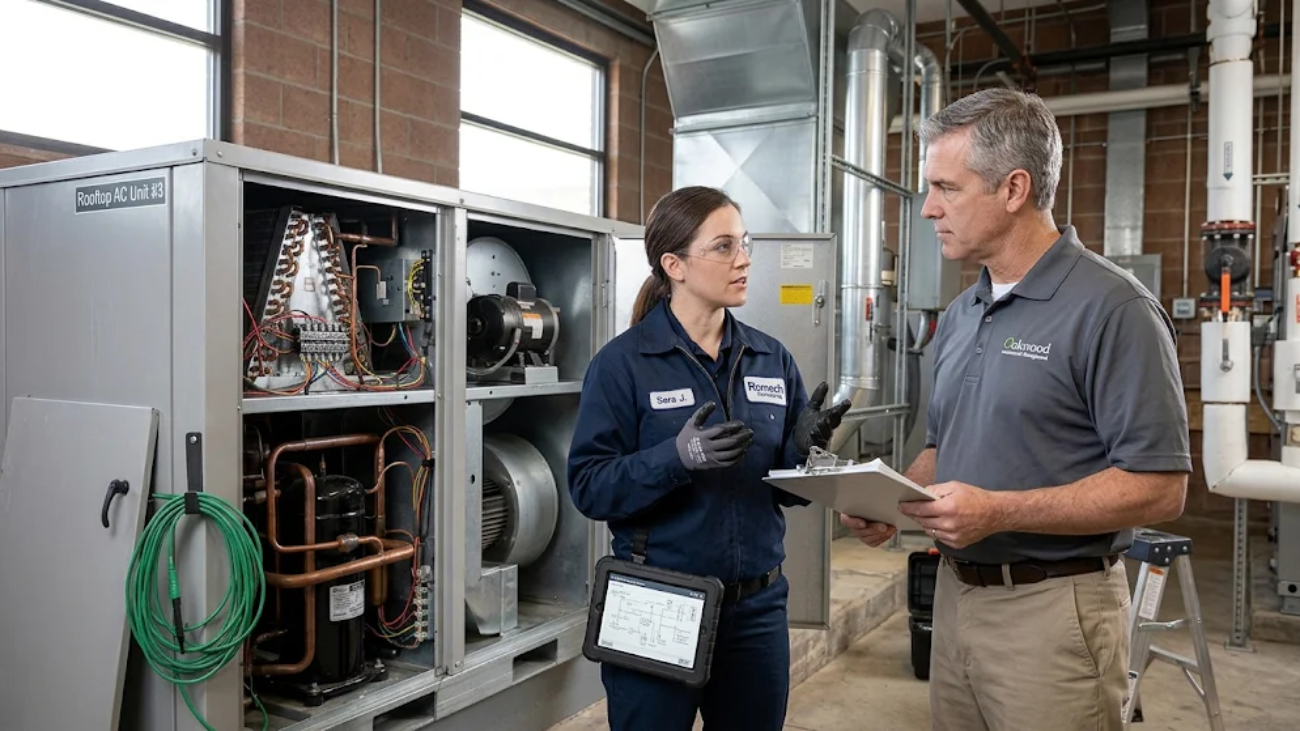
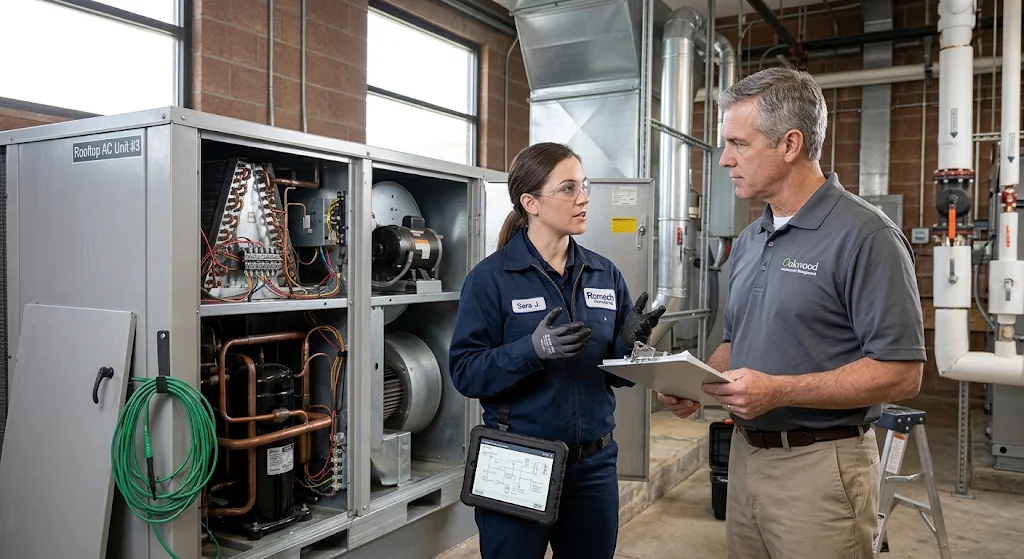
A written maintenance schedule is the best starting point. First, list every chiller, air handler, and split unit. Next, assign inspection dates for each asset.
Keep the routine simple and consistent. Technicians should check these items regularly:
- Air filters and condenser coils
- Refrigerant levels and pressure readings
- Belts, fans, and motors
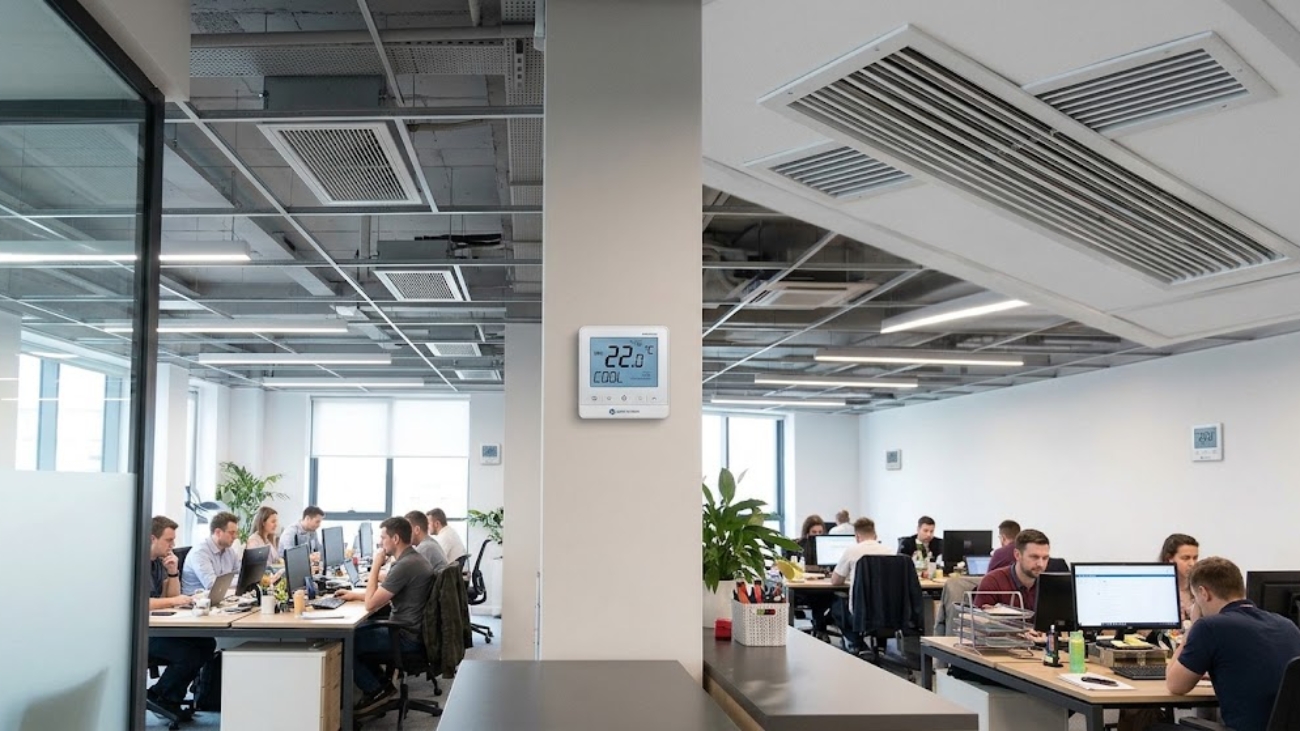
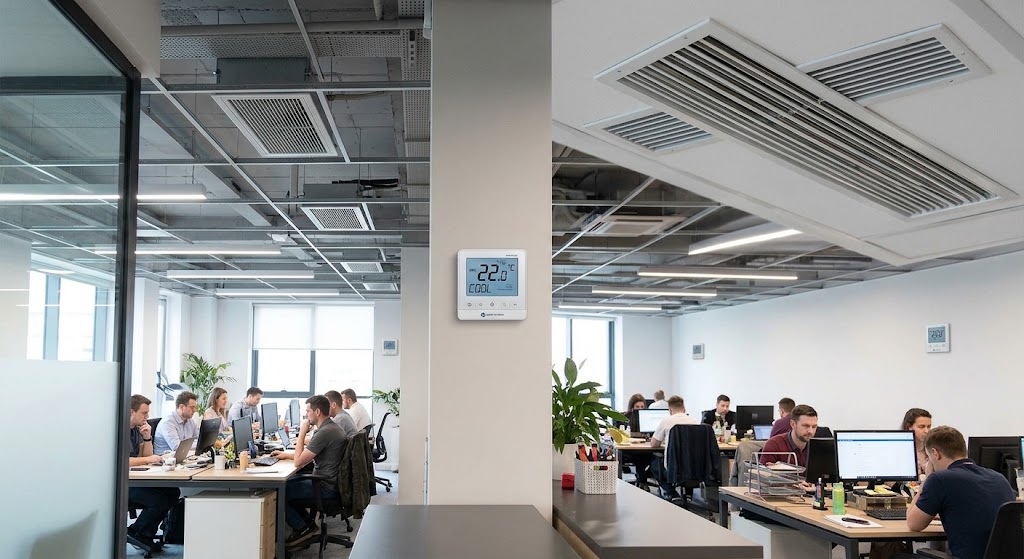
- Thermostats and control settings
- Drain lines and condensate pans
Moreover, document every visit. Good records reveal repeat faults quickly. They also support warranty claims and audits.
Use Data to Track Cooling Performance
You cannot improve what you do not measure. Therefore, set clear performance indicators. Track energy use, runtime hours, and temperature variance.
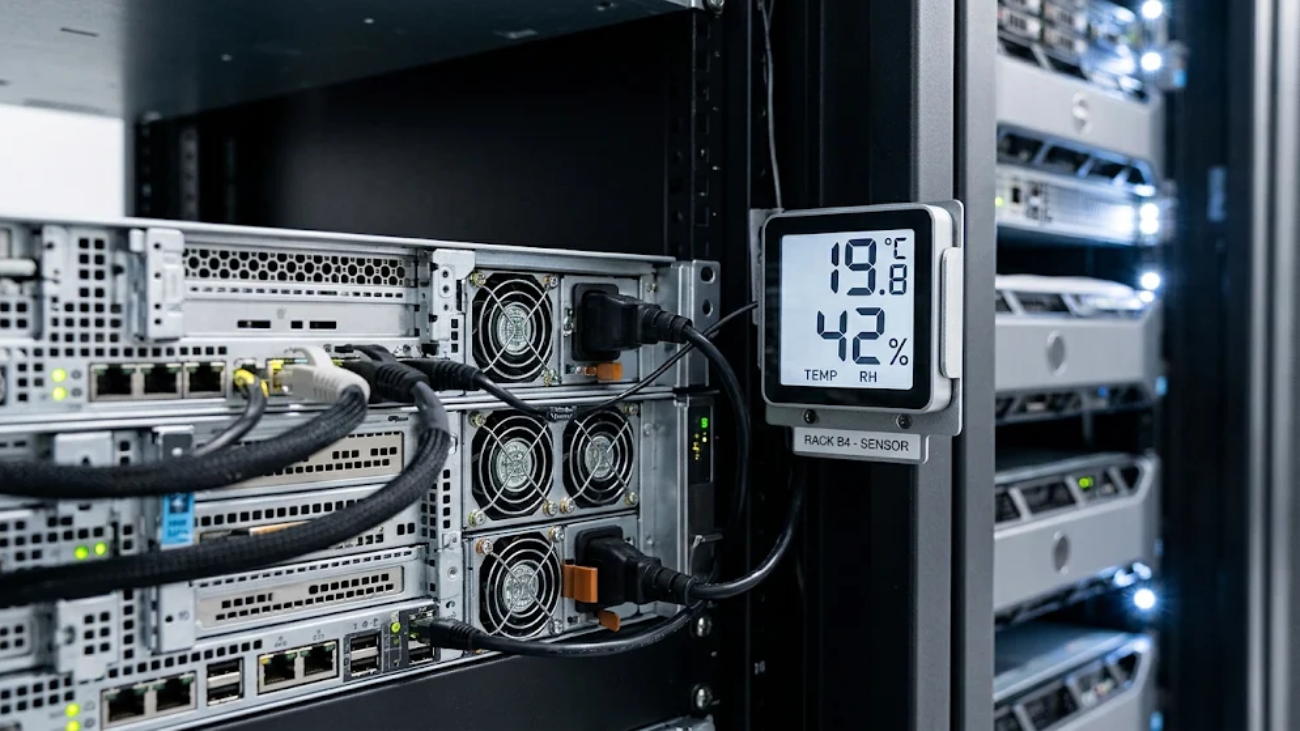
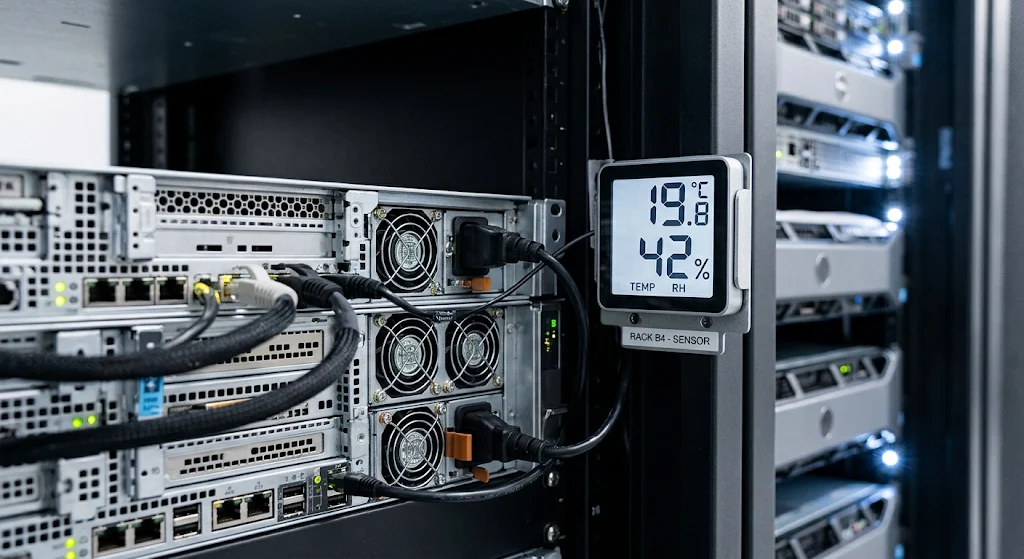
Modern building management systems make this easier. Sensors send live readings to a central dashboard. Consequently, managers spot anomalies before occupants notice them.
Even basic tools help smaller sites. A simple spreadsheet can compare monthly power bills. In addition, handheld thermometers verify supply and return air temperatures.
Upgrade Smartly for Energy Efficiency
Some equipment simply reaches the end of its useful life. In that case, repair costs often exceed the value of the unit. Replacement then becomes the wiser choice.
Consider these upgrades for measurable savings:
- Variable speed drives on fans and pumps
- High-efficiency inverter air conditioners
- Smart thermostats and zoning controls
- Improved insulation and window shading
Furthermore, compare lifecycle costs, not just purchase prices. A cheaper unit may cost more over ten years. Ask suppliers for efficiency ratings and warranty terms.
Train Your Team and Engage Occupants
Technology alone cannot fix poor habits. Staff must understand how cooling affects costs. For instance, open doors and blocked vents waste cooled air.
Short training sessions work well. Cover basic checks, reporting steps, and safe operating limits. Likewise, share simple tips with tenants. Encourage them to report faults early.
Clear communication builds shared responsibility. Consequently, small problems reach the facility team sooner.
Choose the Right Service Partner
Not every contractor delivers equal value. Look for certified technicians with proven experience. Additionally, ask for response times in writing.
A service level agreement protects your interests. It defines inspection frequency, emergency support, and reporting standards. Finally, review the partnership each year. Adjust the scope as your building needs change.
Plan for Climate and Capacity
Rising temperatures place new demands on cooling systems. Therefore, review your capacity against current heat loads. Added equipment and larger teams increase that load.
Schedule a professional load assessment every few years. It shows whether your system still fits your needs. Moreover, it guides smarter investment decisions.
Final Thoughts: Treat Cooling as a Strategic Asset
Cooling performance affects comfort, costs, and asset life. Thus, it belongs inside your facility management strategy. Start with a preventive plan and track results consistently.
Next, invest in efficient equipment and trained people. Over time, these steps cut energy waste and reduce breakdowns. In short, proactive cooling management protects both your budget and your occupants.