Rooftop units keep commercial buildings comfortable all year. However, they only perform well when installed and maintained properly. This guide explains what professional RTU installation and service involve. Moreover, it shows how the right care protects your investment.
What Is a Rooftop Unit (RTU)?
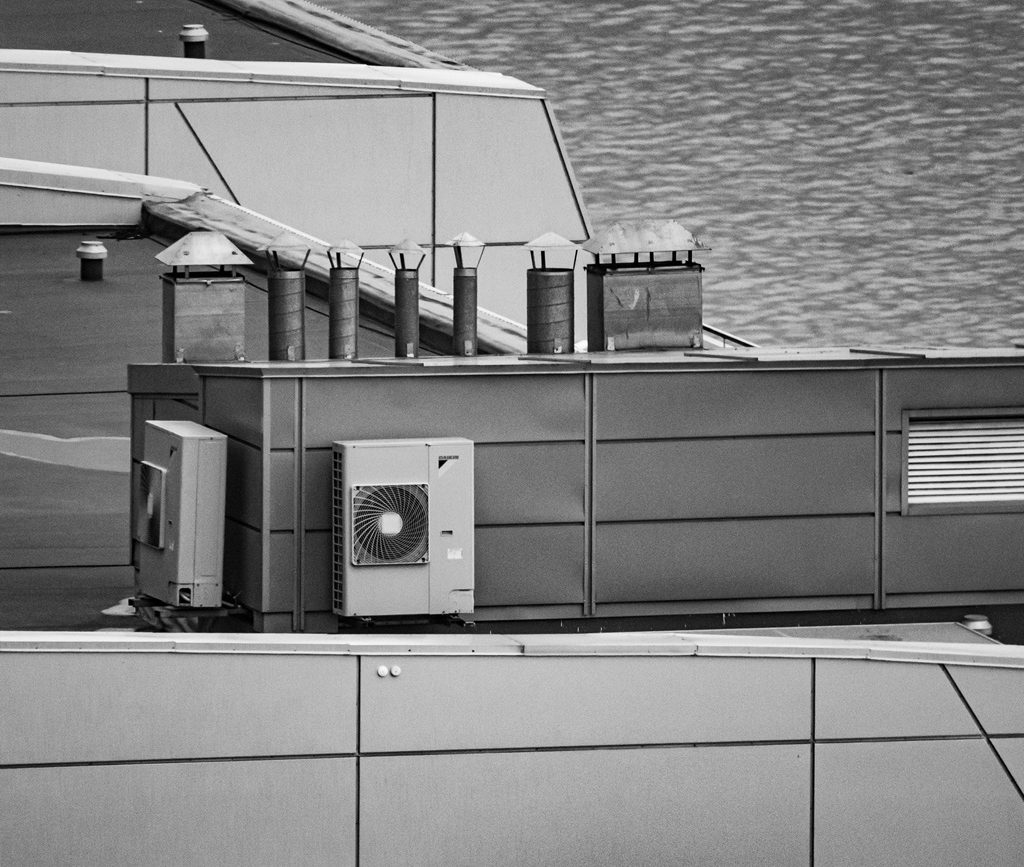
A rooftop unit is a self-contained heating and cooling system. Contractors mount it on the roof, so it saves valuable indoor space. Additionally, it connects to ductwork that delivers conditioned air throughout the building.
Restaurants, offices, schools, and retail stores rely on RTUs. Warehouses and clinics use them as well. Consequently, a dependable unit supports both productivity and customer satisfaction.
Why Professional RTU Installation Matters
Proper installation determines how long your system lasts. A poorly installed unit wastes energy and fails early. Therefore, you should always hire certified technicians.
Professional installers follow a proven process. First, they assess your building’s heating and cooling load. Next, they select a correctly sized unit. Then, they plan the placement for airflow and easy access.
Oversized units cycle on and off too often. Undersized units run constantly and never keep up. In contrast, a right-sized unit delivers steady comfort at lower cost.
Key Steps in a Quality RTU Installation
A skilled team handles every stage with care. The typical process includes these steps:
- Site inspection: Technicians check roof strength, access, and existing ductwork.
- Load calculation: Experts measure the space to match capacity to demand.
- Curb and roof work: Crews install a sealed curb to prevent leaks.
- Crane lift and placement: Specialists position the unit safely and precisely.
- Electrical and gas connections: Licensed staff wire and connect every line.
- Testing and commissioning: Technicians verify airflow, pressure, and temperature.
As a result, you get a system that meets code and performs at its best.
Benefits of Regular RTU Service and Maintenance
Routine service prevents costly breakdowns. Furthermore, it extends equipment life by several years. Most manufacturers also require maintenance to keep warranties valid.
A well-maintained unit runs efficiently. Consequently, your energy bills drop. Clean components also improve indoor air quality. Employees and customers breathe easier as a result.
What a Typical RTU Service Visit Covers
Technicians follow a detailed checklist during each visit. They usually perform these tasks:
- Replace or clean air filters
- Inspect and clean evaporator and condenser coils
- Check refrigerant levels and look for leaks
- Test thermostats and control settings
- Lubricate motors and inspect belts
- Examine electrical connections and capacitors
- Clear condensate drains
- Inspect heat exchangers and burners
Each task catches small problems early. Otherwise, minor issues grow into expensive repairs.
Common RTU Problems and Warning Signs
Rooftop units often show symptoms before they fail. Watch for these warning signs:
- Weak airflow from vents
- Uneven temperatures across rooms
- Strange noises, such as grinding or squealing
- Frequent cycling or short runs
- Rising energy bills without a clear cause
- Water pooling around the unit
Do not ignore these signals. Instead, call a qualified technician right away. Quick action limits damage and downtime.
RTU Repair vs. Replacement: Which Is Smarter?
Every unit eventually reaches the end of its life. Most RTUs last 15 to 20 years with good care. However, frequent repairs signal a bigger problem.
Consider replacement when repair costs approach half the price of a new unit. Likewise, consider it when the unit uses outdated refrigerant. Modern systems also offer better efficiency. Therefore, an upgrade often pays for itself through lower utility costs.
Tips for Choosing the Right RTU Contractor
Your contractor affects the quality of the work. Choose carefully by following these tips:
- Verify licenses and insurance: Certified professionals protect you from liability.
- Check experience: Look for a strong record with commercial systems.
- Read reviews: Past clients reveal how a company really performs.
- Ask about maintenance plans: Scheduled service saves money over time.
- Confirm emergency support: Breakdowns rarely happen at convenient hours.
In addition, request a clear written estimate. Transparent pricing builds trust from the start.
Boost Efficiency With a Preventive Maintenance Plan
A preventive maintenance plan keeps your system on schedule. Technicians visit quarterly or twice a year. Meanwhile, you avoid surprise failures during peak seasons.
These plans also give you priority scheduling. Moreover, they create service records that support warranty claims. Overall, planned care costs far less than emergency repairs.
Energy Efficiency and Modern RTU Upgrades
Today’s rooftop units offer impressive efficiency features. Variable-speed fans adjust output to match demand. Smart thermostats and controls also cut waste. In addition, economizers use cool outdoor air to reduce cooling costs.
Many building owners see quick returns from these upgrades. Furthermore, some regions offer rebates for high-efficiency equipment. Ask your contractor about available incentives.
Get Reliable RTU Installation & Service Today
Your rooftop unit deserves expert attention. Professional installation ensures a strong start. Regular service then protects performance for years. Together, they lower costs and reduce stress.
Do not wait for a breakdown to act. Contact Romech Services today. Schedule an inspection, request a quote, or start a maintenance plan. Your building, your staff, and your customers will all benefit.
Leave A Comment